When to Replace Tires: Signs You Should Never Ignore
Have you ever glanced at your tires and wondered, “Are these things still safe?” You’re not alone! I’ve done the same, especially after hearing that over 11,000 accidents every year in the U.S. are linked to tire issues. Wild, right? That’s exactly why knowing when to replace tires signs matters so much.
In this guide, we’ll break everything down in simple, real-world language so you never have to guess again. From tread wear and strange vibrations to little warning marks built right into your tires, you’ll learn exactly what to look for. Let’s roll!
Key Warning Signs Your Tires Need Replacing
When it comes to your tires, the warning signs are usually right in front of you. Sometimes they’re loud and obvious. Other times, they’re sneaky and easy to miss. I’m going to break down the biggest red flags so you know exactly when it’s time to get new tires. Your car will feel better. You’ll drive safer. And honestly, you’ll have way more peace of mind!
Low or Uneven Tread Depth
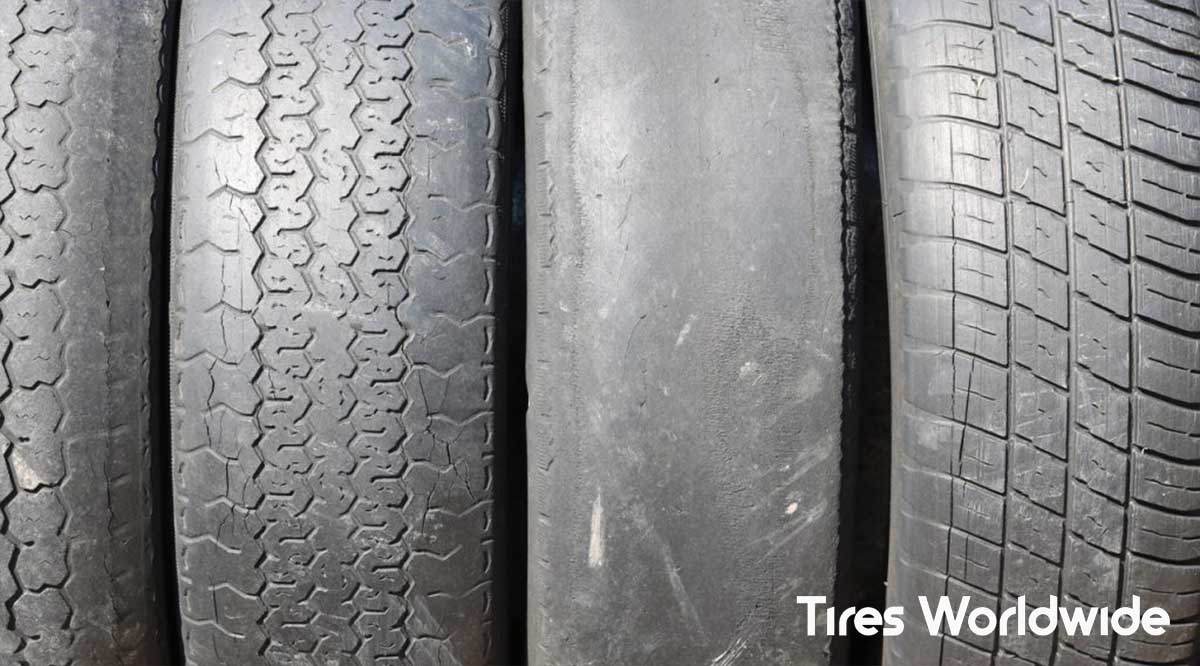
Tread is that grooved pattern on your tires that helps you grip the road. When it wears down, your car loses traction. That means longer stopping time and a higher chance of sliding on wet roads.
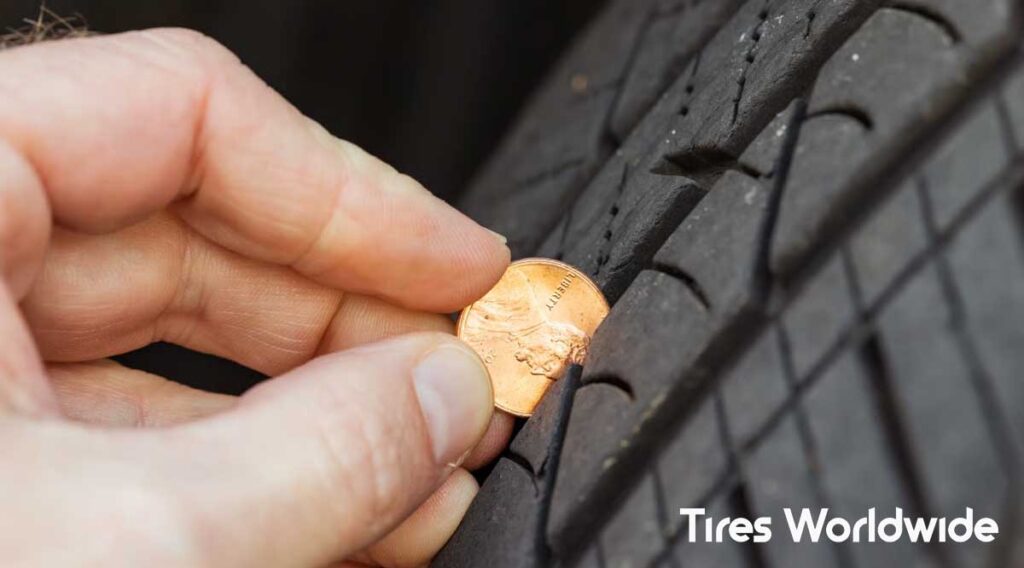
You can check the tread yourself. Use the penny test. Stick a penny into the tread with Lincoln’s head pointing down. If you can see the top of his head, the tread is too low. Time for new tires.
If you notice the tread wearing down faster on one side, that’s uneven wear. It can happen from bad alignment or low tire pressure. You don’t want to ignore this. Uneven tread means your tires are wearing out quicker than they should.
For a deeper look at tread depth and tire safety, check out this helpful guide from NHTSA:
https://www.nhtsa.gov/equipment/tires
Cracks, Bulges, and Visible Damage
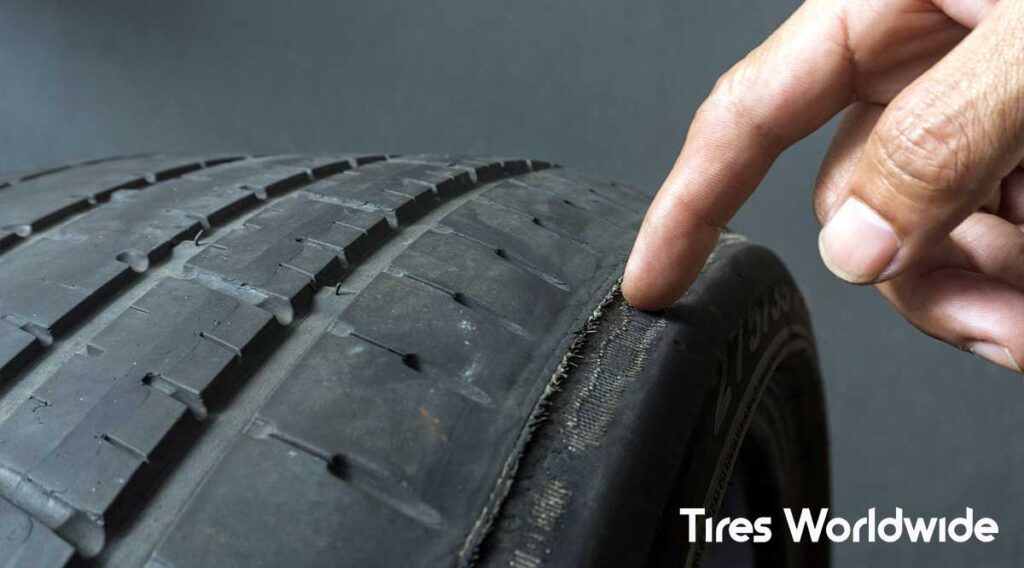
Your tires go through a lot. Sunlight. Heat. Cold. Rough roads. Over time, the rubber dries out and cracks. Cracks in the sidewall are a sign the tire is getting old or weak.
Bulges are even more serious. A bulge means the inside of the tire has been damaged. It could burst while driving. If you ever see a bulge, stop using the tire immediately. It’s unsafe.
Cuts, nails, and deep damage are also signs you should check your tires or replace them. Some tiny punctures can be repaired, but many serious cuts can’t.
Tire Age and Expiration
Even if a tire looks okay on the outside, age can still make it unsafe. Most experts say tires should be replaced every six years. Rubber breaks down over time, even when the tire isn’t used much.
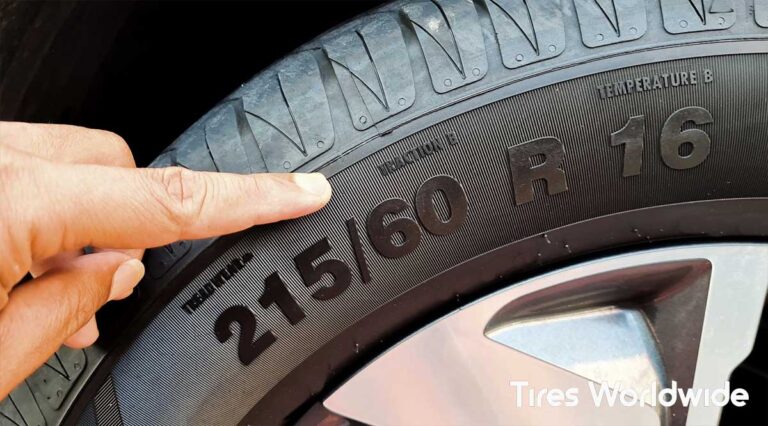
You can check the age on the tire’s side. Look for the DOT code. The last four numbers tell you the week and year it was made. For example, “2319” means the 23rd week of 2019.
If your tires are older than six years, it’s smart to plan for a replacement. Aged tires are more likely to fail, especially during long drives or hot weather.
Vibration or Shaking While Driving
If your car shakes while you drive, don’t ignore it. Vibration can come from many things, but worn tires are a common cause. The tire may be out of shape, or it could have uneven tread.
Sometimes vibration means the tires need balancing. Other times it’s a sign the tire is close to failing. If your steering wheel or seat shakes while driving, especially at higher speeds, get the tires checked right away.
Signs from Your Vehicle That Point to Tire Issues
Sometimes your tires don’t show clear damage, but your car starts acting weird. Your car will “talk” to you if something feels off. You just have to notice the signals. Here are some of the most common signs your vehicle gives when your tires need attention.
Steering Pulling or Drifting
If your car starts drifting to one side while you’re driving straight, that’s a sign something isn’t right. It could be your alignment. It could be uneven tire wear. Or it could be weak tire pressure on one side.
When your car pulls like this, you’re working harder to keep it straight. That gets tiring fast. It’s also unsafe because you don’t have full control. Pulling is your car saying, “Hey, check the tires!”
If you’re unsure whether it’s tires or alignment, a quick check at a tire shop will clear things up. A lot of shops offer free inspections, so it’s worth doing.
Longer Braking Distances
If it feels like your car takes longer to stop, your tires might be the problem. Worn tread doesn’t grip the road the same way. On wet roads, this gets even worse.
This is one of the most dangerous warning signs because it affects your reaction time. You might not notice the change right away. It usually gets worse slowly.
Decreased Fuel Efficiency
If you feel like you’re filling up your gas tank more often, your tires might be part of the reason. Low tire pressure or worn-out tread makes your car work harder. More work means more gas burned.
You can avoid this by keeping your tires at the right pressure. You’ll save money and get smoother rides. If fuel use suddenly jumps, check your tires before you blame the engine.
Visual Inspection Tips Anyone Can Do
You don’t need to be a car expert to spot most tire problems. A quick look can tell you a lot about your tire’s health. Here are easy checks you can do at home in just a few minutes.
Checking Tire Sidewalls
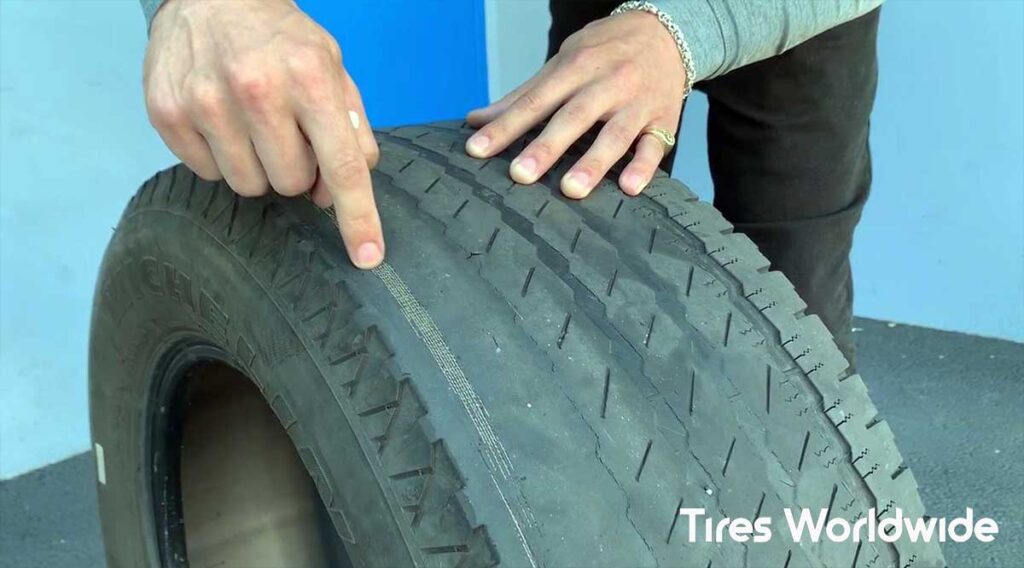
The sidewall is the smooth part of the tire on the outside. It should look clean and firm. If you notice cracks, lines, or tiny splits, that’s a sign the tire is drying out. This is often called “dry rot,” and it means the rubber is getting weak.
If you see deep cuts or pieces of rubber peeling off, the tire is unsafe to use. Sidewall damage usually can’t be repaired, so replacement is the best option.
Measuring Tread Depth Properly
Your tread gives your car grip, especially in rain and snow. Low tread is one of the biggest reasons for tire failure.
You can measure the tread using a small tool called a tread depth gauge. They’re cheap and easy to use. But if you don’t have one, the penny or quarter test works fine.
Looking for Embedded Objects
Your tires pick up all kinds of things on the road. Nails. Screws. Rocks. Sharp debris. Sometimes you won’t even notice until the tire starts losing air.
Take a slow look around each tire. If you see something stuck in it, don’t pull it out. Removing it could make the leak worse. Instead, take the car to a shop. They’ll check if the tire can be repaired or if you need a replacement.
If the object is near the sidewall, the tire usually cannot be fixed. It needs to be replaced for safety.
Preventing Premature Tire Wear
You can make your tires last a lot longer just by taking care of a few simple things. None of this is complicated. In fact, these habits can save you money, improve your gas mileage, and keep your car feeling smooth on the road.
Proper Tire Inflation
Tire pressure matters more than most people think. When the pressure is too low, the tire bends and flexes too much. This makes it wear out fast and can even cause a blowout. When the pressure is too high, the tire becomes too stiff and wears down in the middle.
You can find the correct pressure for your car on a sticker inside the driver’s door. Don’t rely on the pressure printed on the tire itself. That number is the maximum, not what you should use daily.
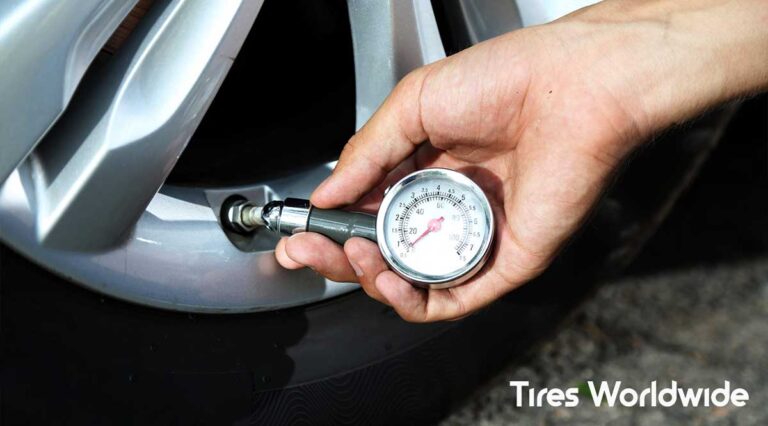
Check your tire pressure once a month. It takes less than two minutes and can save you a ton of trouble. You can use any gas station air pump or a small handheld gauge.
Regular Wheel Alignment
Alignment keeps your tires pointed the right way. When your wheels aren’t aligned, the tires drag or lean at odd angles. This causes uneven tread wear. Sometimes it gets so bad that the tire wears down to nothing on one side.
If your car pulls to the left or right, your steering wheel isn’t straight, or your tires wear strangely, you probably need an alignment.
Getting an alignment once or twice a year can help your tires last much longer. It also makes your car easier to control.
Tire Rotation
Tires don’t wear evenly. Some positions wear faster than others because of weight and steering. Rotating your tires spreads the wear evenly so they last longer.
A good rule of thumb is to rotate your tires every 5,000 to 7,500 miles. Many people do it when they get an oil change. It’s fast and keeps your tires in better shape.
Rotation also helps you spot problems early, like cracks or uneven tread. That means you can fix things before they get expensive.
When to Seek Professional Tire Inspection
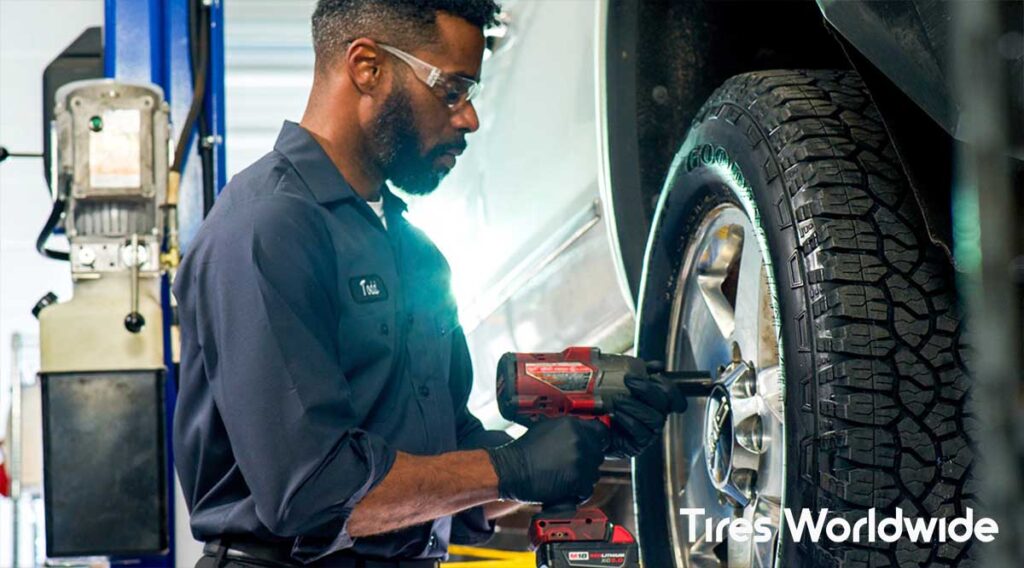
Sometimes you can spot problems on your own. Other times, it’s smarter to let a trained eye take a look. A quick visit to a tire shop can save you from a blowout, a flat, or a scary moment on the road. Here are the moments when getting a pro involved is the safest move.
Situations That Require a Mechanic
If you hit a pothole, a curb, or any large piece of debris, it’s a good idea to get your tires checked. Even if the tire looks fine on the outside, the inside layers may have taken a hit. Damage inside the tire isn’t visible, but it can cause sudden failure later.
Strange noises are another clue. If you hear thumping, popping, or a rhythmic sound while driving, get it checked. These sounds often point to uneven wear or a tire that’s starting to break down.
If your steering wheel shakes or your car feels wobbly at high speeds, don’t ignore it. It might be a balance issue, but it can also mean the tire’s structure is weakening.
Any time something feels “off,” let a professional take a look. It’s better to find the problem early than deal with it on the highway.
What a Tire Shop Will Check
When you bring your car in, a technician will inspect all four tires. They’ll check tread depth, pressure, and overall condition. They’ll also look for cracks, cuts, nails, and anything stuck in the rubber.
Shops also look for signs of belt separation. This is a serious problem where the inside layers of the tire start pulling apart. It can cause bulges or shaking. If the belt is separating, the tire must be replaced.
They’ll also check if your tires are balanced and aligned. Sometimes a small adjustment can make the car feel brand-new again.
Most shops offer free or low-cost inspections, so there’s no reason to put it off.
Conclusion
Keeping your tires in good shape is one of the simplest ways to stay safe on the road. Once you know the signs of when to replace tires, it becomes easy to spot problems early and avoid costly issues later. If you’re noticing cracks, low tread, vibrations, or just aging rubber, don’t wait. Your tires are literally the only thing connecting your car to the road. Stay safe, check often, and replace when needed. Your future self will thank you!