Tire Date Code Meaning: What It Is & How to Read It
Ever look at the side of your tire and wonder what all those numbers and letters mean? You’re not alone! In fact, over 70% of drivers don’t know how old their tires are, even though tire age can directly affect safety. That’s why understanding the tire date code meaning is such a big deal.
In this guide, I’ll break down what the DOT code really tells you, how to read it fast, and why tire age isn’t something you want to ignore. We’ll keep things simple, friendly, and super easy to follow—because everyone deserves to feel confident about what’s rolling under their car!
What Is a Tire Date Code? (DOT Code Explained)
If you’ve ever looked at the side of your tire and thought, “What in the world do all these numbers mean?” — don’t worry, you’re not alone! A lot of people have the same question. One of the most important markings on your tire is the tire date code, also known as the DOT code. And yes, it’s way easier to understand than it looks.
The DOT code is basically your tire’s “birth certificate.” It tells you when it was made, where it was made, and sometimes even what batch it came from. Sounds helpful, right? This code is required by the Department of Transportation, which is why it starts with the letters DOT. You’ll find it on every tire sold in the United States.
Understanding this code matters because tires don’t last forever. Even if they look brand new, they age quietly in the background. Heat, sunlight, and regular driving all break down the rubber. So knowing your tire’s age can help you stay safe on the road.
To keep things simple, let’s break the DOT code down in a way that makes sense for everyday drivers.
The Purpose of the DOT Code
Have you ever wondered why the DOT even bothers putting a code on your tire? Well, it’s there to help you stay safe.
- Safety First: Tires get old. The DOT code helps you know exactly how old yours are.
- Helps Track Recalls: If there’s ever a tire recall, the DOT code tells you whether your tire is affected.
- Required by Law: Every tire in the U.S. must have a DOT code, so you can always check the date if you need to.
Basically, the DOT code is there to protect you. It gives you quick info that can help you avoid surprises—like finding out your “new” tires are actually five years old.
Understanding the DOT Structure
Now let’s talk about what the code actually looks like. Don’t worry—once you know what to look for, it’s super easy.
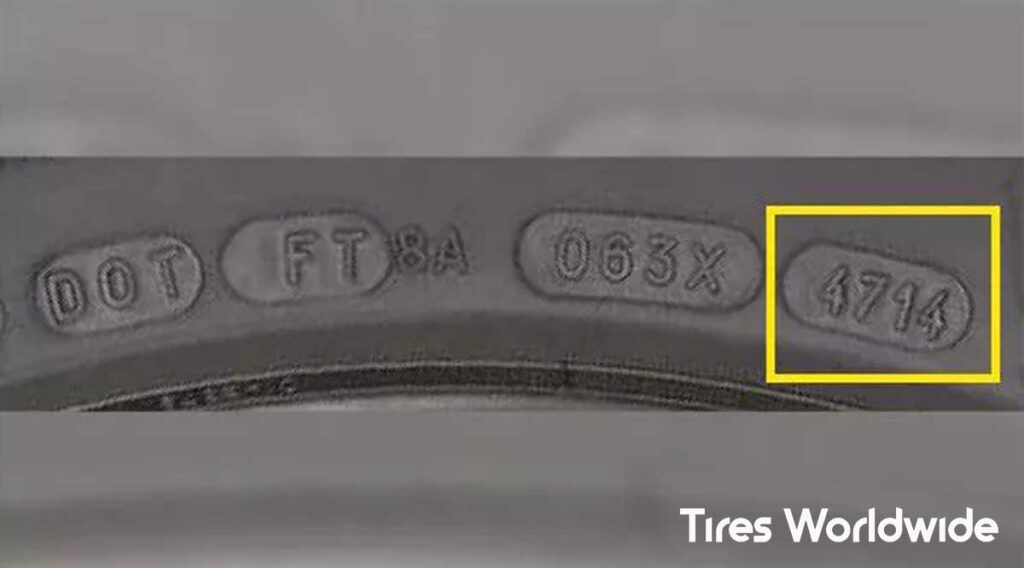
A DOT code usually starts with the letters DOT, followed by a mix of numbers and letters. These characters do a few different jobs:
- Factory Info: The first part tells you where the tire was made.
- Tire Details: The middle section shows the specific tire model and size.
- Date Code: The last four numbers are the ones most drivers care about—this part tells you when the tire was made.
Here’s the key part:
- The first two numbers of the date code show the week the tire was made.
- The last two numbers show the year it was made.
So if a tire has the code 2419, that means it was produced in the 24th week of 2019.
Older tires made before 2000 have a slightly different format, but you won’t see many of those today. And honestly, if your tires are that old, you definitely need new ones.
Tips for Checking Date Codes on Worn Tires
Sometimes tires get beat up, faded, or scuffed from regular driving. That can make the date code a little hard to read. Here are easy tips to help:
- Look at the inside wall if the outside is too worn. Many times the inner code is cleaner.
- Use your phone flashlight to make the numbers pop.
- Gently clean the area with a rag if dirt or dust is blocking part of the code.
- Don’t rely on tread alone. Your tire can look fine and still be too old.
If the numbers are completely unreadable, it’s safest to replace the tire. No date means no way to know its age—and that’s not a risk worth taking.
Why Tire Age Matters for Safety

Most people think tires only need replacing when the tread is worn out. But here’s the truth that surprises a lot of drivers: a tire can look “perfect” on the outside and still be unsafe because of its age. Yep—tire age matters just as much as tread depth, and sometimes even more.
Rubber doesn’t stay fresh forever. It slowly dries out, cracks, and loses grip, even when the tire hasn’t been used much. That’s why understanding tire age isn’t just helpful… it’s a major safety move!
Let’s break down exactly why older tires can be a real problem on the road.
How Rubber Breaks Down Over Time
Your tires face all kinds of things every day—sunlight, heat, cold, rain, and even the weight of your car. All of this slowly wears down the rubber.
Here’s what happens as a tire gets older:
- UV rays from the sun dry out the rubber and make it brittle.
- Heat cycles (hot days, cold nights) cause the rubber to expand and shrink, which weakens it.
- Oxygen exposure speeds up aging and creates tiny cracks inside the tire.
- Sitting still too long—like in storage—can stiffen the rubber faster than driving does.
So even if a tire has never touched the road, time is still working against it. The rubber just can’t fight the aging process forever.
Recommended Tire Replacement Timeframes
There’s a common rule many experts follow: replace your tires at least every six years—even if they look good and have plenty of tread left.
Here’s the simple breakdown:
- 0–3 years: Tires are usually in great shape.
- 4–5 years: Tires start to age but may still be safe with regular checks.
- 6+ years: It’s time to replace them, no matter how they look.
- 10 years max: Most manufacturers say tires should never be used past 10 years.
High-performance tires or tires used in very hot climates may age even faster. Heat speeds up the breakdown process, especially in places like Florida, Arizona, Texas, or anywhere summer feels like standing inside an oven.
Your best move? Check your tire date code and don’t push the limits. A small inspection now can save you from a big headache later.
Signs Your Tires Are Too Old
Even if you don’t know how old your tires are, your tires sometimes give you clues. Look out for these early warning signs:
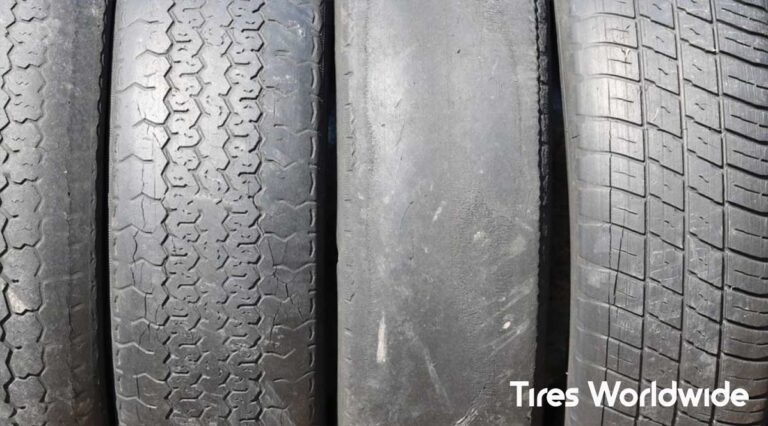
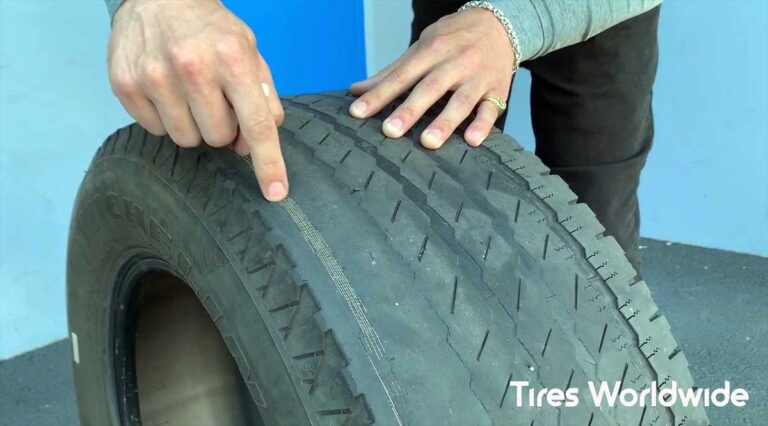
- Tiny cracks on the sidewall (known as dry rot)
- Cracking between treads
- Hard, stiff rubber that feels less flexible
- Uneven grip or longer stopping distance
- A rougher ride even on smooth roads
- Bulges or weird bumps in the sidewall
If you spot any of these problems, don’t wait. Old tires can blow out without warning—and that’s something no driver wants to experience at highway speeds.
To stay safe, try doing a quick visual tire check once a month. It only takes a minute!
DOT Code vs. Other Tire Markings

When you look at the side of a tire, it can feel like reading a secret code from another planet. There are numbers, letters, symbols—way more than most people expect. And while the DOT code is one of the most important markings, it’s not the only thing printed on your tire.
A lot of drivers get the DOT code mixed up with the tire size, load rating, or other markings. It’s totally normal! The sidewall holds a ton of info, and it’s easy to confuse everything if you don’t know what you’re looking at.
This section breaks down the difference so you always know exactly what’s what.
Common Sidewall Markings People Confuse With the Date Code
Let’s clear up what’s not the date code, because this is where most people get stuck.
Here are markings people mix up all the time:
- Tire Size
This looks like something like 225/65R17.
It tells you the width, height, and wheel size. Many people think one of these numbers is the date—but nope, not even close. - Load Rating
This is usually a number paired with a letter, like 98H.
The number shows how much weight the tire can carry. The letter shows speed rating. Again… not the date code. - Speed Rating
Letters like S, T, H, V, or Z show how fast the tire can safely go. Nothing to do with the tire’s age. - UTQG Rating
This one includes things like Treadwear 400, Traction A, and Temperature A.
Helpful info, but not related to the date. - Brand + Model Info
“Bridgestone,” “Goodyear,” “Michelin,” etc.
Sometimes the model name looks like a code but it’s just branding.
All these markings matter, but only the DOT code will tell you when your tire was born.
How the Date Code Fits Into the Full Tire ID
Now, here’s where the DOT code becomes the star of the show.
The full DOT code is basically your tire’s ID number. It tells you:
- Where it was made
- Which batch it came from
- The specific production line
- Most importantly: the exact week and year it was made
That last four-digit date code is the age stamp—this is the part you need to check for safety.
And here’s something many drivers don’t know:
The DOT code is also how tire recalls are tracked.
If a manufacturer ever recalls a certain batch of tires, the DOT code is how you find out if your tire is on the list. You simply match your code to the recall information.
If you ever want to check your tire for recall info, the official government lookup tool is here:
https://www.nhtsa.gov/recalls
Just type in your DOT code or your tire brand and model. It’s quick and free.
Understanding how this code works helps you make better choices when buying new tires—and lets you avoid dangerous old stock sitting on the shelf.
How to Check Tire Age Before Buying

Buying new tires should feel exciting—you’re improving your car’s safety, comfort, and performance. But here’s something a lot of people never think about: not all “new” tires are actually new.
Yep, you read that right. Tires can sit in storage for months… sometimes even years. And even if they’ve never been driven on, the clock has already been ticking on their lifespan.
That’s why checking the tire date code before you buy is one of the smartest car hacks you’ll ever learn. It only takes a few seconds, and it can save you money and help you avoid old inventory that won’t last long.
Let’s break it down so you can walk into any tire shop feeling confident and in control.
Checking New Tires at the Shop
When you’re at the tire shop, don’t be shy—ask to see the DOT code before the tires are installed. A good shop won’t mind at all. Most will even expect it.
Here’s what to look for:
- The date code should be visible, clean, and easy to read.
- Aim for tires less than 1 year old, if possible.
- Anything older than 2 years is something you should question before buying.
- Tires around 3–4 years old should never be sold as “new,” even if unused.
Many people are surprised to learn this, but tire aging starts the moment they leave the factory. They don’t wait until they’re on your car to begin breaking down.
If the shop brings out tires that look older than expected, it’s okay to ask for a fresher batch. You’re the customer—you get to choose.
What to Ask the Seller or Mechanic
Sometimes you don’t want to crawl around on the floor to inspect tires yourself. That’s fine! Just ask a few simple questions and let the seller do the checking for you.
You can ask:
- “What’s the DOT date on these tires?”
- “Do you have a set made within the last year?”
- “Can you show me where the date is located?”
- “Are these part of an older batch or clearance stock?”
Their answers tell you a lot. A trustworthy shop will be open and honest. If someone hesitates, avoids the question, or tries to brush it off, that’s a red flag.
A good tire shop should never pressure you to accept old stock.
How Online Shoppers Can Verify Tire Age
Buying tires online? Totally normal these days. And honestly, it can save you a ton of money. But you still need to know how old the tires are before clicking “Buy Now.”
Here’s how to protect yourself:
- Check the retailer’s tire age guarantee — many promise tires less than 12 months old.
- Look for phrases like “Fresh Stock Only,” “Recent Production,” or “Manufactured Within the Last Year.”
- Read reviews to see if customers mention receiving old tires.
- Ask customer support for the current manufacturing date range—they can usually tell you.
Some retailers even allow returns if the tire is older than expected. Always check the store’s return policy before buying.
Knowing what to expect helps you feel confident whether you’re buying in-store or online.
Frequently Asked Questions About Tire Date Codes

Tire date codes can feel a little confusing at first, so it’s totally normal to have questions. The good news? Once you understand the basics, everything becomes super simple. This FAQ section clears up the most common things drivers ask about tire date codes, tire age, and tire safety.
Let’s walk through them one by one, in a friendly and easy way.
Do All Tires Have Date Codes?
Yes, absolutely.
Every tire sold in the United States must have a DOT date code printed on the sidewall. It’s required by the Department of Transportation.
The only exception is extremely old tires—like pre-2000 models—which use a 3-digit code instead of four. But if your car still has tires from the 1990s… please replace them right away. Seriously!
Modern tires will always have a clear four-digit date code at the end of the DOT sequence, even if you have to check the inner sidewall to find it.
Do Winter or Performance Tires Age Faster?
Great question! And yes, some tires do age faster because of the conditions they face.
Here’s how it breaks down:
- Winter tires are often exposed to freezing temperatures, road salt, and rough winter roads. These things can dry out the rubber over time.
- High-performance tires are made with softer rubber for better grip, which means they naturally break down faster—especially in hot climates.
- All-season tires usually age the slowest because they’re designed for a mix of conditions.
So if you drive on winter tires or performance tires, keep a closer eye on the DOT date code and check for signs of aging more often.
Can You Refresh or “Revive” Old Tires?
Nope. And this is super important.
Once a tire starts to age, there’s no way to reverse the process. You can’t make the rubber “new” again with cleaners, dressings, or shine products. Some sprays might make a tire look better, but they do nothing for safety.
When a tire is old, it’s old. The safest thing to do is replace it.
It’s always better to be safe than sorry.
Are Date Codes Different Worldwide?
Mostly yes—but here’s the simple version.
- In the U.S., we use the DOT system (four digits at the end).
- In Europe, you’ll often see the same 4-digit format because many tires are produced for global markets.
- Some countries have extra markings or approval stamps, but they still include a standard week/year date code.
- Older international tires sometimes used different systems, but modern tires are much more consistent.
So even if you buy tires made overseas, the date code format stays easy to read.
Conclusion
Understanding the tire date code meaning isn’t just for mechanics or car experts—it’s something every driver should know! Once you can read a DOT code, you’ll always know how old your tires are, when they need replacing, and how to avoid getting stuck with old inventory at the tire shop.
Take a quick look at your tires today. Seriously—it only takes a minute, and it might save you from bigger problems down the road. Stay safe, stay informed, and keep your ride smooth!