How to Store Tires the Right Way
Ever wondered why some tires seem to last forever while others crack and rot fast? Here’s a wild stat: improper tire storage can cut tire life by up to 50%! That’s huge. So if you’ve got winter tires, summer tires, or a set you’re saving for later, knowing how to store tires the right way can save you a lot of money.
In this guide, I’ll break everything down in a super simple, friendly way. No fancy jargon. Just real steps, smart tips, and clear answers. Let’s make sure your tires stay in great shape until you need them again!
Why Proper Tire Storage Matters
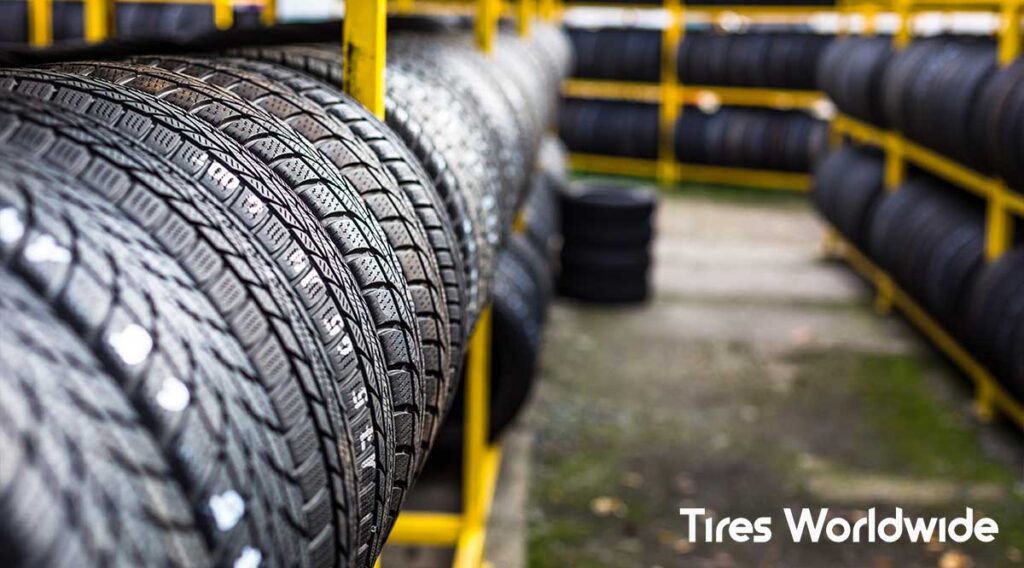
If you’ve ever pulled out a set of tires after a few months and thought, “Whoa… what happened to these?” you’re not alone. Tires can go bad way faster than most people realize. And the crazy part? A lot of that damage happens just from how they’re stored. Yep, really!
Proper tire storage matters because tires are made from rubber, and rubber doesn’t like heat, sunlight, or moisture. It also doesn’t like being bent, squeezed, or sitting in the wrong position for weeks. When tires are stored the wrong way, they age way faster than they should. That means cracks, dry rot, flat spots, and even weakened sidewalls. Nobody wants to throw money away on early replacements, right?
Let’s break down why getting tire storage right is such a big deal.
How Storage Conditions Affect Tire Rubber
Tires are tough on the road, but they’re surprisingly sensitive when they’re just sitting around. Heat makes the rubber harden. Sunlight breaks it down even faster. And moisture? That can creep into tiny cracks and make things worse over time.
If you store tires in a hot garage, a backyard shed, or a sunny corner, they won’t last long. Rubber ages fast in bad conditions. That’s why most manufacturers say to keep stored tires somewhere cool, dark, and dry.
The Top Causes of Tire Damage
Most people think tire wear only happens while driving. But storage can ruin tires too. The biggest problems come from:
- Sunlight — UV rays break down rubber quickly. It’s like a slow form of rot.
- Heat — Hot air speeds up aging. Tires stored in 90°F+ temps won’t last long.
- Humidity — Moisture can lead to cracking over time.
- Ozone — This one surprises people! Ozone comes from things like motors, generators, and some household appliances. It dries out rubber fast.
- Pressure and weight — When tires sit wrong, they can get flat spots or warped sidewalls.
All of these things might seem small, but together they can destroy a good set of tires before you ever use them again.
Why Seasonal Drivers Need Good Storage
If you switch between winter tires and summer tires, proper storage isn’t just helpful — it’s mandatory. Winter tires are softer and can break down quicker if you leave them in the heat. Summer tires hate cold temps. And all tires get stiff or crack if they’re stored the wrong way for months.
Good storage helps you:
- Protect expensive tires
- Make your sets last longer
- Save money on replacements
- Avoid scary surprises when you put them back on your car
If you’ve ever gone to install your winter tires and noticed cracks all over them, you know how stressful that can be.
How Bad Storage Causes Early Wear
Tires don’t wear only on the road. They “age out” too. When you store them in bad conditions, the rubber breaks down faster than normal. Sidewalls weaken. Tread gets brittle. And if they sit in the same position too long, they can actually misshape.
This is why proper storage is a huge part of tire maintenance. You’re not just keeping them clean. You’re keeping them safe.
How to Prep Tires Before Storing Them
Before you even think about stacking or bagging your tires, you’ve got to prep them the right way. Think of it like putting your tires to “sleep” for a few months. You wouldn’t go to bed covered in dirt, stressed out, or soaking wet, right? Tires are the same. A little prep now saves you a lot of money and headaches later.
Getting your tires ready is simple, but every step matters. Let’s break it down so you know exactly what to do.
Wash Your Tires to Prevent Dry Rot
First things first — clean those tires! Dirt, brake dust, salt, and road grime can eat into the rubber if left for months. Grab some mild soap, water, and a brush. Give them a good scrub. Nothing fancy. Just make sure you rinse well so no chemicals stay behind.
Dry rot loves dirty tires. So cleaning them is one of the best ways to keep them healthy while they’re stored.
Inspect for Damage Before They Go Into Storage
Once they’re clean, take a moment to look over each tire. You don’t need to be a mechanic for this. Just check for:
- Cracks
- Bubbles
- Cuts
- Nails or screws
- Uneven tread wear
If something looks off, it’s better to know now rather than months later when you’re ready to use them again.
Small issues become big problems when tires sit still for long periods.
Decide Whether to Store Tires With or Without Rims
This part confuses a lot of people, but it’s actually simple:
- If the tires are on rims: Storage is easier. You’ll have more options for how to position them.
- If the tires are not on rims: You must store them upright (never stacked).
Both ways work fine — just know the right method for your setup. I’ll explain stacking and positioning in the next section, so hang tight!
Dry Your Tires Completely
After washing, make sure the tires are totally dry. Moisture trapped inside bags can cause mold, cracking, and all kinds of mess. Let them air dry naturally. Don’t rush it with a heater or leave them in the sun.
Just let the air do the work. When they feel dry to the touch, give them another 30 minutes. Trust me, it helps.
Label Each Tire for Easy Rotation Later
Here’s a quick hack most people forget: label your tires before storing them.
Use a marker and write on a piece of tape:
- FL = Front Left
- FR = Front Right
- RL = Rear Left
- RR = Rear Right
Stick it on the tread so you don’t lose track.
When it’s time to put them back on your car, you’ll know exactly where each tire came from. This helps you rotate them properly and keeps your tire wear even.
Why Prepping Tires Makes a Big Difference
Prepping your tires before storing them is like giving them a shield. It protects the rubber, helps them last longer, and keeps them safe when you’re ready to use them again. A little time now saves a ton of money later — and who doesn’t love that?
Best Places to Store Tires (Home, Garage, or Storage Unit)
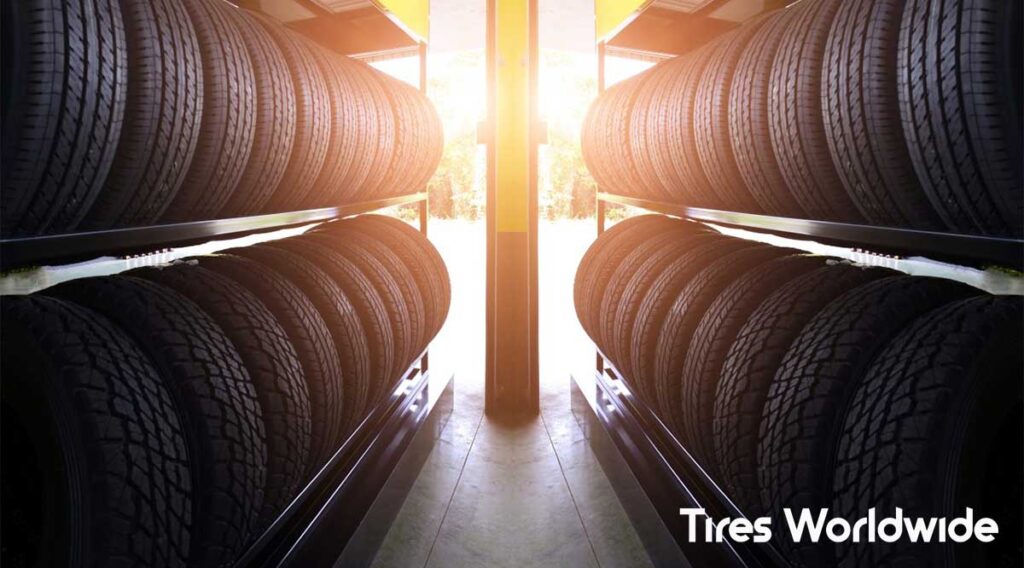
Choosing where to store your tires is a big deal. It might seem like you can just toss them in the garage or stack them in a corner, but that’s how tires end up dry rotted, cracked, or totally ruined. The right place makes all the difference. And the good news? You don’t need anything fancy — just the right environment.
Let’s break down where tires should (and should not) be stored so they stay in great shape while they’re off your car.
Ideal Storage Temperatures for Tire Health
Tires hate extreme temperatures. Too hot, and the rubber ages fast. Too cold, and it stiffens and cracks. The sweet spot is a stable, cool temperature — basically the same range you’d keep a room in your house.
Aim for temps between 40°F and 75°F if possible. The more consistent the temperature, the better your tires will hold up. Huge swings in heat and cold wear down rubber quickly.
If you want a deeper dive on tire storage temperature, the Tire Industry Association offers solid guidance:
https://www.tireindustry.org/
Why Tires Must Stay Away from Sunlight and Heat Sources
Sunlight is one of the biggest tire killers. UV rays damage rubber even when the tires aren’t being used. It happens slowly, but the effects are permanent.
Heat sources are just as bad. Avoid storing tires near:
- Water heaters
- Furnaces
- Space heaters
- Hot pipes
- Appliances that blow warm air
These things slowly “cook” the rubber.
The rule is simple: cool, dark, and away from heat. Your tires will thank you later.
How Humidity Affects Tire Rubber
Humidity might not be the first thing you think about, but it matters a lot. Damp air can creep into small cracks, cause mold, and speed up rubber aging.
That’s why basements can be hit or miss. Some are dry and perfect. Others are damp and way too humid.
If your storage space feels muggy or smells musty, it’s probably not the best spot for tires unless you use a dehumidifier.
Comparing Storage Options: Garage vs Basement vs Shed vs Unit
Here’s a simple breakdown to help you pick the best spot:
Garage
- Pros: Easy access, out of sunlight
- Cons: Gets hot in summer, cold in winter
- Best for: Short-term storage
Basement
- Pros: Stable temps, cool and dark
- Cons: Can be humid
- Best for: Long-term storage if humidity is controlled
Shed
- Pros: Good for temporary storage
- Cons: Gets hot, cold, and sometimes damp
- Best for: Not ideal unless insulated and ventilated
Storage Unit
- Pros: Climate-controlled options available
- Cons: Costs money
- Best for: Expensive tire sets, long-term storage
If you don’t want to overthink it, a cool, dry basement is usually the winner if you have one.
Items to Keep Tires Away From
Rubber breaks down faster when exposed to ozone. And ozone comes from more things than you’d expect. Keep your tires away from:
- Generators
- Air compressors
- Basement freezers
- Electric motors
- Laundry appliances
These machines release tiny amounts of ozone that slowly damage rubber over time.
If you’re storing tires in a garage, keep them on the opposite side of the room from anything that runs on a motor.
Choosing the Best Spot for Your Setup
At the end of the day, the “best” storage place depends on what you have available. You don’t need anything expensive or complicated. You just need:
- A stable temperature
- Low humidity
- No sunlight
- No heat sources
- No ozone-producing machines nearby
If a space meets those simple requirements, your tires will stay in great shape until you’re ready to use them again.
Storing Tires With Rims vs Without Rims
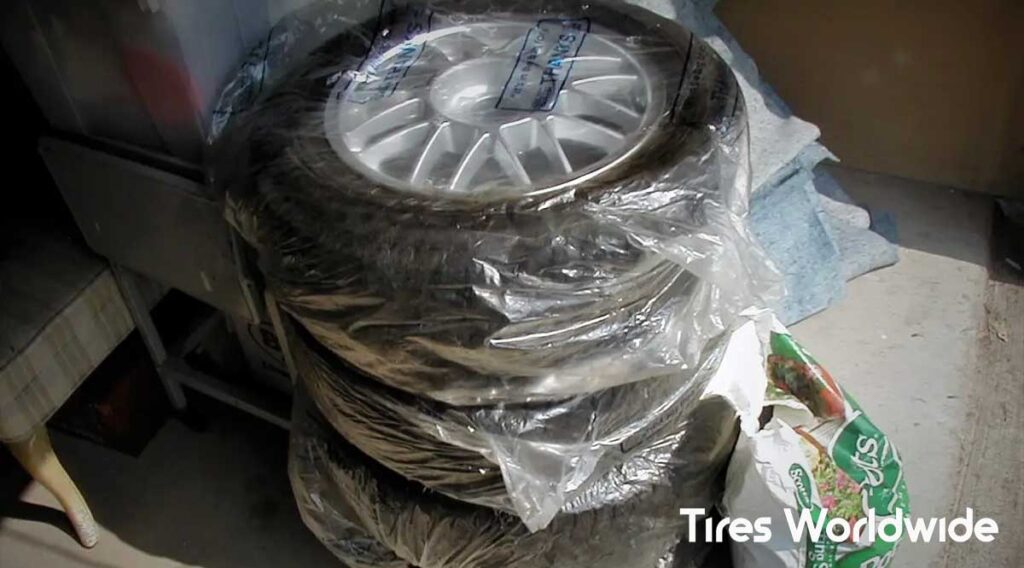
A lot of people get confused about whether it’s better to store tires with the rims on or off. Good news — both options work! You just have to store them the right way based on which setup you have. Each method has its own benefits, so don’t stress if your tires are already mounted or if they’re just bare rubber.
Let’s break it down in a simple way so you know exactly what to do.
Differences in Storage Orientation
The biggest difference between storing tires with rims vs without rims is how they sit.
- Tires WITH rims are heavier but more stable. They can be stacked safely.
- Tires WITHOUT rims should not be stacked because the weight can stress the rubber and flatten the shape.
The key is to store them in a way that doesn’t push, squeeze, or reshape the tire. Rubber can deform over months of pressure, so orientation matters a lot.
How to Stack Tires With Rims Safely
If your tires are mounted on rims, stacking is usually the easiest and safest option. Just follow these tips:
- Stack them horizontally (flat on top of each other).
- Keep the stack low — three or four tires max.
- Make sure the floor is clean and dry.
- Put a soft cloth or cardboard between each tire if you want extra protection.
Stacking wheel-mounted tires protects the shape and keeps everything stable. Just make sure you’re not placing them on a hot or uneven surface.
Why Upright Storage Is Best for Tires Without Rims
If your tires are not on rims, storing them upright is the way to go. Standing them up helps keep the sidewalls strong and protects the tire from warping.
Some simple tips:
- Keep them upright like books on a shelf.
- Rotate them a little every month or two.
- Don’t stack them — even lightly — because that puts pressure on the sidewalls.
Upright storage is the safest method for bare tires because it keeps their natural shape intact.
How Wheel-Mounted Tires Reduce Stress on Sidewalls
When your tires are on rims, the metal wheel supports the shape. The pressure is spread evenly. That means there’s less stress on the rubber, especially on the sidewalls. This makes storage easier and reduces the risk of flat spots.
This is one reason people love having a winter and summer set already mounted — it makes switching easier and makes storage safer.
Should You Inflate Tires Before Storing Them?
If the tires are mounted on rims, a lot of folks wonder whether they should keep air in them. The answer is simple:
- Inflate them to normal pressure if they’re mounted and stored upright.
- Air doesn’t matter much if they’re stacked flat because the weight is supported by the rims.
Never store a fully inflated tire in direct heat. Hot air expands, which can lead to damage. Just keep them at a normal pressure and in a cool space.
Choosing the Best Storage Method for Your Tires
At the end of the day, both methods work great as long as you follow the right steps:
- Store with rims: Stack them.
- Store without rims: Stand them upright.
It’s all about protecting the shape and keeping stress off the rubber. Once you know which setup you have, the rest is easy!
Correct Ways to Position Tires During Storage
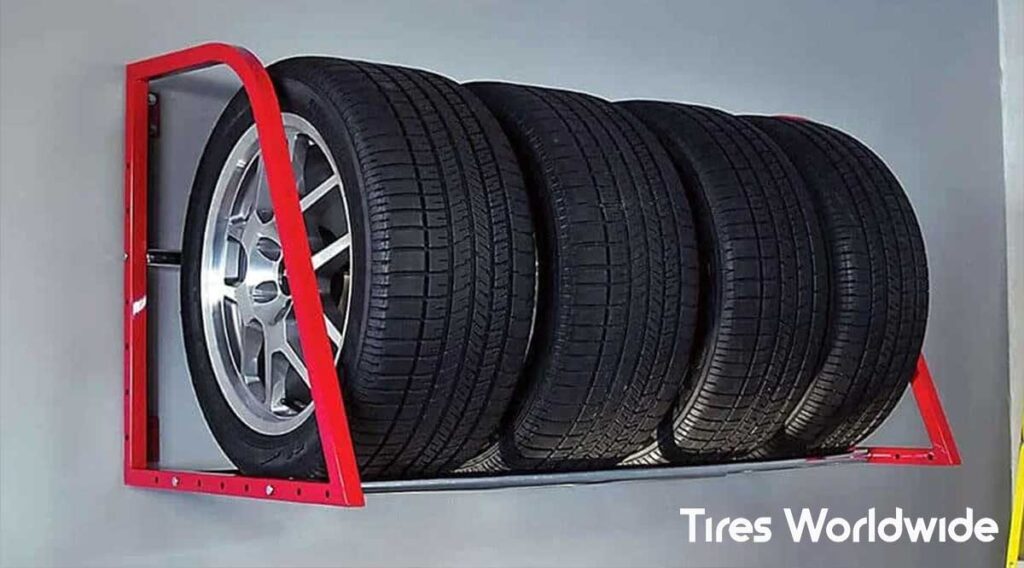
How you position your tires during storage matters just as much as where you store them. Tires can lose their shape if they sit the wrong way for too long. And once they’re misshaped, there’s no fixing them. The good news? Positioning them correctly is super easy once you know the basics.
Let’s go through the right ways to store your tires so they stay in great condition until you’re ready to use them again.
Upright vs Stacking vs Hanging
There are three main ways to store tires: upright, stacked, or hung up. Each one works, but only in the right situation.
- Upright: Best for tires without rims
- Stacked: Best for tires with rims
- Hanging: Only safe for wheel-mounted tires
The rule is simple: the sidewalls should never carry more weight than they’re designed for. That’s why orientation matters so much.
Why Hanging Tires Can Be Helpful (But Only Sometimes)
Hanging sounds like a cool space-saving hack, right? It can be — but only for tires with rims. The rim supports the tire’s shape, so no pressure goes on the rubber.
But never hang bare tires. The stress on the rubber from the hook will stretch and distort them over time.
If you want to hang mounted tires, use wide hooks designed for wheels. Don’t use thin hooks or ropes that can dig into the rim.
How Often to Rotate Stacked Tires
If your tires are stacked (and again — only if they have rims), you should rotate the stack every 4 to 6 weeks. Just move the top tire to the bottom.
This helps prevent pressure from building up on one tire for too long. It also keeps the weight balanced and stops minor flat spots from forming.
Think of it like flipping a mattress — just way easier!
Best Racks and Shelving Options
If you want a cleaner setup or need to save floor space, tire racks are a great option. They keep everything organized and off the ground.
Here are good choices:
- Wall-mounted tire racks — perfect for wheel-mounted tires
- Freestanding shelves — great for garages and basements
- Rolling tire carts — awesome if you move your tires often
Any sturdy rack works, as long as it keeps the tires supported and away from moisture.
Mistakes to Avoid: How Not to Store Tires
A lot of people don’t realize they’re damaging their tires just by storing them wrong. Here are mistakes to avoid at all costs:
- Don’t lean tires against walls — they slowly warp over time.
- Don’t stack bare tires — the weight crushes the rubber.
- Don’t store tires directly on bare concrete — moisture seeps in and dries out the rubber.
- Don’t place anything heavy on top of stacked tires — that leads to flat spots.
And here’s one more big one: don’t leave inflated tires in a hot space. Air expands when it heats up, which stresses the rubber and can create cracks.
Why Proper Positioning Protects Tire Life
Tires are flexible when driving, but not when they sit still for months. Positioning keeps the rubber from stretching, flattening, or aging too fast. When you store them properly, you protect the structure of the tire — the tread, the sidewalls, and the overall shape.
It sounds simple, but it’s one of the biggest reasons some people get years more use out of their tires than others.
How to Protect Tires from Dry Rot
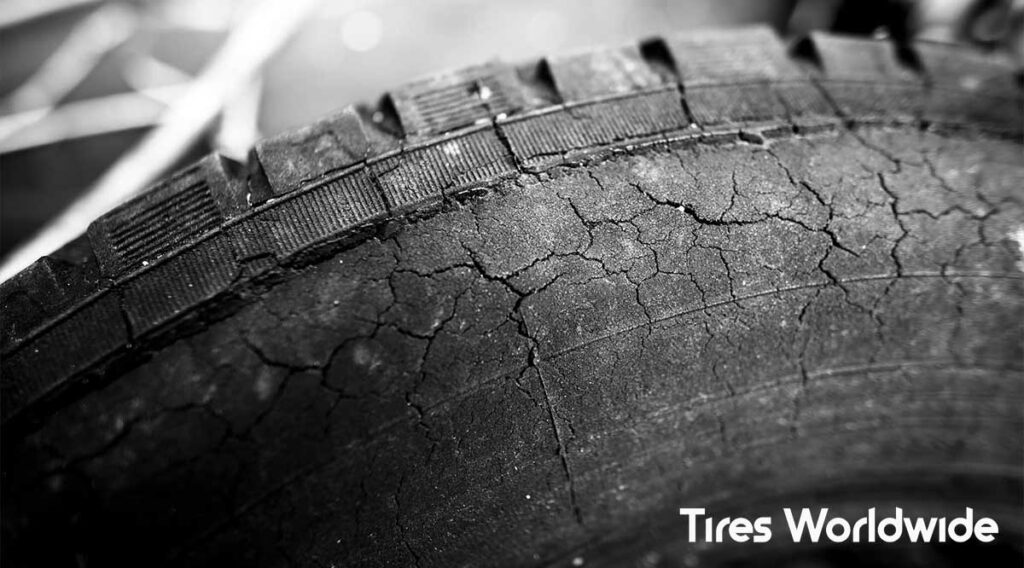
Dry rot is every tire owner’s worst nightmare. It sneaks up slowly, cracks the rubber, and destroys a perfectly good set of tires long before the tread wears out. The crazy part? Most dry rot happens when tires are not being used — when they’re sitting in storage. The good news is that preventing dry rot is totally doable once you understand what causes it and how to block it.
Let’s break it down in a simple, human way so your tires stay safe for months (or even years!).
What Dry Rot Is and Why It Spreads
Dry rot isn’t literally “rotting,” even though it looks like it. It’s when the rubber breaks down from age, heat, sunlight, moisture, or chemicals in the air. The rubber dries out, becomes stiff, and eventually cracks.
You’ll see signs like:
- Fading color
- Tiny surface cracks
- Cracking between tread blocks
- A brittle or “dry” feel
Once dry rot begins, you can’t reverse it. That’s why prevention is everything.
How UV Rays and Ozone Break Down Rubber
Two of the biggest tire killers are UV rays and ozone.
- UV Rays: Sunlight breaks down the rubber molecules. Even indirect sunlight can accelerate aging.
- Ozone: This comes from electrical motors, generators, or appliances. Ozone dries out rubber and speeds up cracking.
Most people don’t even realize their tires are sitting next to an ozone source. Things like air purifiers, basement freezers, pool pumps, or even AC units can release ozone.
So keeping tires away from motors and sunlight is huge for preventing dry rot.
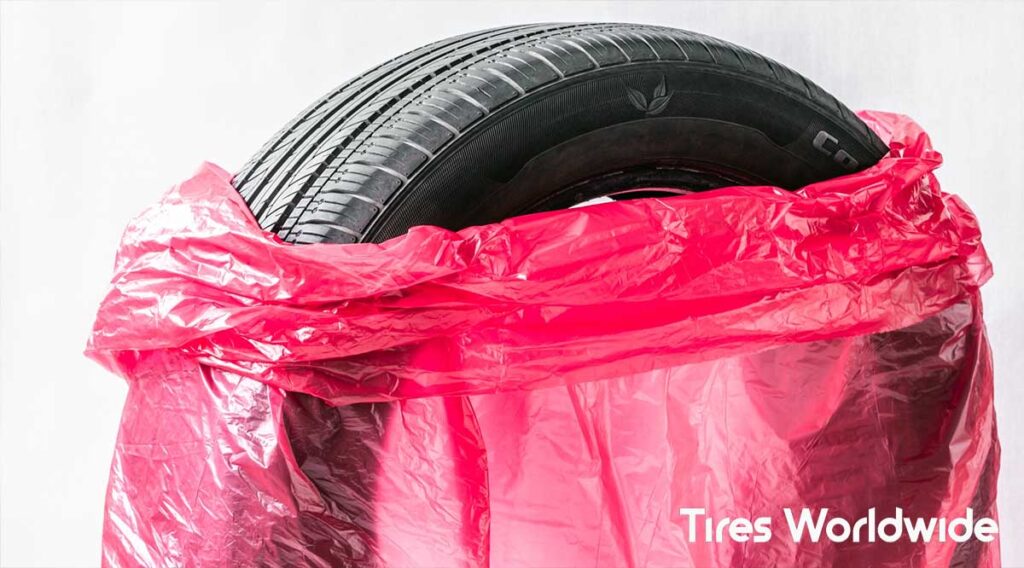
Using Tire Bags vs Plastic Wrap vs Vacuum Sealing
Once your tires are cleaned and dried, protecting them from air exposure is one of the best things you can do. Here are your options:
Tire Storage Bags
- Super easy
- Keep out dust and moisture
- Work well for short-term storage
- Make sure to squeeze out as much air as possible
Plastic Wrap (DIY Method)
- Cheap and effective
- Wrap each tire tightly several times
- Keeps out humidity and air
- Great against ozone
Vacuum-Sealed Tire Bags
- The most protective option
- Remove nearly all oxygen
- Best for long-term or expensive tires
- Stores tires like brand-new
The key idea: less air = slower aging.
Do Tire Dressings Help or Harm?
This part confuses a lot of people. Some tire shine products look great, but many contain chemicals that dry out rubber in the long run.
So here’s the truth:
- Water-based dressings? Okay.
- Silicone-based dressings? Avoid for storage.
Never apply a thick glossy dressing before storing your tires. Instead, wash and dry them. That’s usually all they need.
Temperature + Humidity Sweet Spots That Prevent Dry Rot
Rubber lasts longest in environments that are:
- Cool (40–75°F)
- Dry (low humidity)
- Dark
- Ventilated but not drafty
Humidity is a silent destroyer. Even if your tires are bagged, too much moisture in the air can sneak in.
Basements with a dehumidifier or climate-controlled storage units are perfect. Garages can work too, but only if the temps don’t swing like crazy.
Why Dry Rot Prevention Saves You Money
Dry rot doesn’t just make tires look bad. It makes them unsafe. Cracks lead to blowouts, weak sidewalls, and tires that fall apart on the road. Once that damage happens, the tire is gone forever.
But when you protect your tires from dry rot, you:
- Add years to their lifespan
- Save hundreds of dollars
- Keep them flexible and safe
- Get better performance when you reinstall them
A little prevention now keeps your tires strong, healthy, and ready for the road when you need them again.
Storing Winter vs Summer Tires
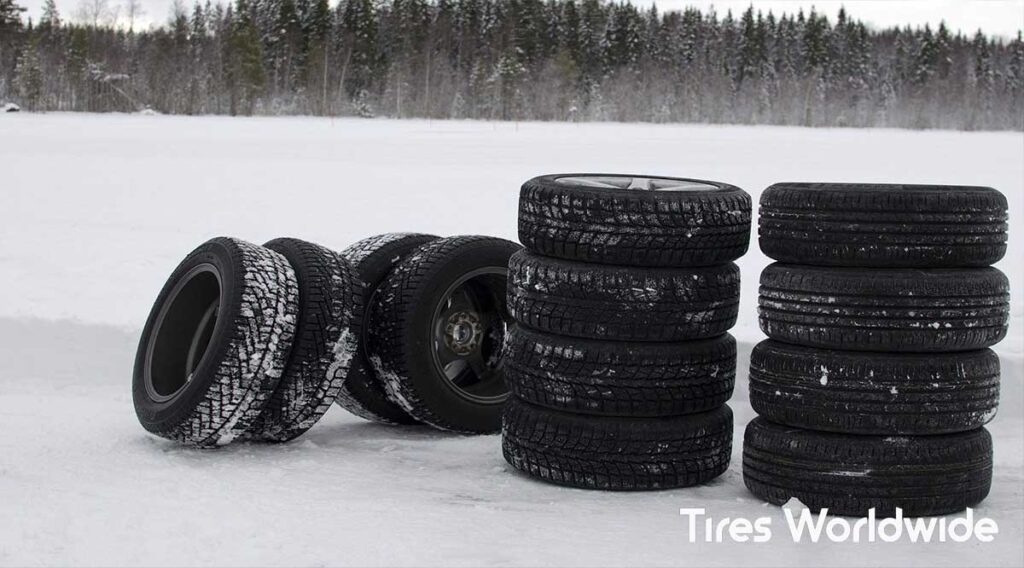
Winter tires and summer tires are built completely differently, so they don’t like the same storage conditions. A lot of people assume you can toss both sets in the garage and forget about them. Sadly… that’s how perfectly good tires end up cracking, drying out, or getting stiff long before their time.
Storing each type the right way helps them last longer, grip better, and stay safe when you switch them out. Don’t worry — it’s easier than it sounds!
Why Soft Winter Rubber Needs Extra Protection
Winter tires are made with a soft rubber blend so they can stay flexible in freezing temperatures. That soft rubber is amazing on snow and ice, but it also makes winter tires more delicate when stored.
Heat is the enemy here. High temps make winter tire rubber break down faster. Even a warm garage can age them quicker than you think.
So when storing winter tires:
- Keep them somewhere cool
- Avoid all heat sources
- Keep them out of sunlight
- Bag them to slow down aging
That soft rubber needs a calm, stable environment to stay healthy until next winter.
How High-Heat Environments Ruin Summer Compounds
Summer tires are tougher, but they’re not invincible. They’re built for warm weather and dry roads — not months of sitting in a blazing hot shed or garage.
If summer tires get too hot in storage:
- Oils in the rubber start to evaporate
- The rubber hardens
- Grip is reduced
- Small cracks start showing in the tread
This can happen even when the tires “look fine” at first glance.
So avoid storing summer tires somewhere that turns into an oven in the summer. A cool basement or climate-controlled storage unit is much safer.
Differences in Long-Term vs Short-Term Storage
Short-term storage (a few weeks):
You can get away with basic precautions — a clean garage, bags, and proper positioning.
Long-term storage (months or all season):
You’ll need stricter conditions so your tires don’t degrade before you reinstall them.
Here’s what long-term storage should always include:
- Clean tires
- Dry environment
- No sunlight
- No ozone sources
- Temperature stability
- Bagging or wrapping to reduce air exposure
The longer the break, the more important these rules become.
How Often to Check Seasonal Tires
You don’t need to babysit your tires, but checking them every month or two is smart — especially if the temps in your storage area change a lot.
A quick check should include:
- Are the bags still sealed?
- Are the tires still dry?
- Any cracks forming?
- Any weird smells or moisture?
It only takes a minute, and finding a problem early can save the whole set.
Tips for People Who Swap Tires Twice a Year
If you switch between winter and summer tires every year, you’ve probably noticed how quickly those sets add up in value. A single seasonal set can cost $600–$1500, so storing them right is basically protecting your investment.
Here are some easy tips:
- Keep a dedicated storage spot so you’re not moving them around
- Use tire totes or bags to stay organized
- Label each tire before storing
- Keep a small tire rack so they’re off the ground
- Take photos before storing to track their condition
Why Seasonal Storage Makes Such a Big Difference
Seasonal tires work best when the rubber is fresh, soft, and flexible. Proper storage helps keep them that way. When you store your winter and summer tires correctly, you get:
- Better grip when you reinstall them
- More miles before they wear out
- Lower risk of cracking or blowouts
- More even tread life
- Better handling and braking
You save money, stay safer, and get better performance — all from a few simple storage rules.
Conclusion
Storing tires the right way doesn’t have to be complicated. With a few smart steps—keeping them cool, clean, dry, and positioned correctly—you can make your tires last years longer. Whether you store winter tires in the summer or keep a backup set ready to go, proper care makes a big difference. So take a little time now to protect your tires, and your wallet will thank you later!