Tire Rotation Frequency: How Often Should You Rotate Your Tires?
Ever wonder if you’re rotating your tires often enough? You’re not alone! According to AAA, uneven tire wear is one of the top causes of blowouts, which cost drivers millions each year. That’s exactly why understanding tire rotation frequency matters. In this guide, I’ll break down how often you should rotate your tires, why it’s so important, and the signs your tires are begging for some attention. Let’s dive into the stuff car manuals should’ve explained in plain English!
What Is Tire Rotation and Why Does It Matter?
Definition of Tire Rotation
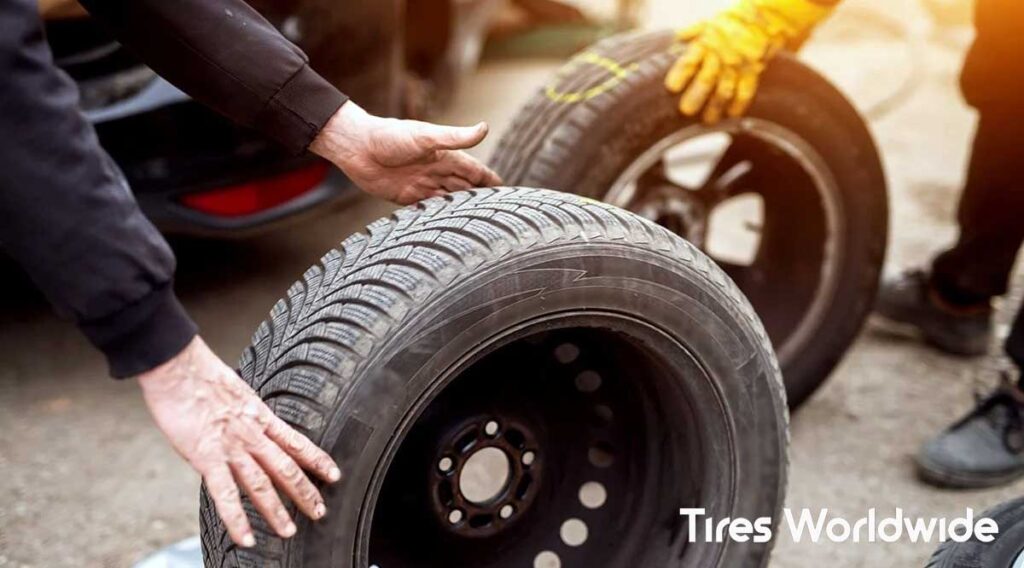
Tire rotation is one of those simple car tasks that sounds way more complicated than it is. All it means is moving your tires from one spot on the car to another. That’s it.
You might switch the front tires with the back ones. Or move one side to the other. Sometimes the pattern changes, depending on your car.
Why do this at all? Because your tires don’t wear down evenly. The front ones work harder since they steer, take more pressure when you brake, and usually hold more weight. Without rotation, the front tires wear out much faster.
Why Rotation Impacts Tire Lifespan
Rotating your tires keeps the wear more even. And when the wear is even, your tires last longer. You don’t have to replace them as often, which saves a good chunk of money.
If you skip rotations, you might end up with two weak tires and two strong ones. That can affect how the car handles, especially in rain or snow. Even wear means more control, more grip, and a safer drive overall.
Most car experts suggest rotating your tires every 5,000 to 7,500 miles, but your exact number depends on your car and tire type. You can always double-check in your car’s manual or visit a trusted source like https://www.tirerack.com.
Effects on Car Handling and Safety
Even tire wear makes your car feel steady on the road. You’ll notice smoother rides, better traction, and easier steering. Your car won’t pull to one side, and the risk of blowouts drops a lot.
Uneven wear can cause shaking, sliding, or weird pulling that makes driving stressful. Rotation helps stop those problems before they show up. It also helps your mechanic notice bigger issues early, like alignment problems or low pressure.
Rotating your tires may feel like a tiny maintenance task, but it has a big impact on safety. It keeps your car balanced, predictable, and ready for whatever the road throws at you.
Recommended Tire Rotation Frequency
General Mileage Guidelines
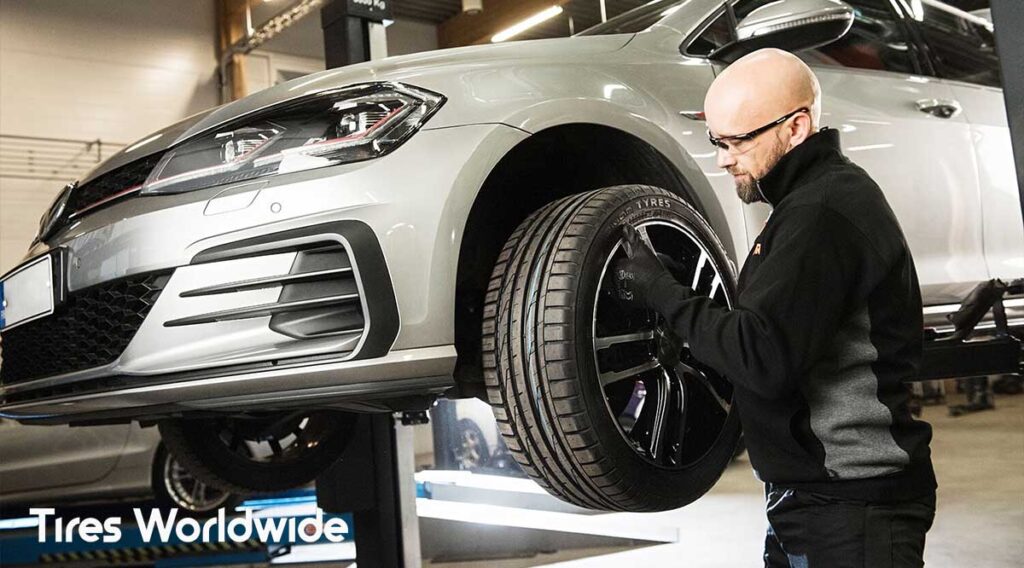
Most drivers want a simple answer to the question, “How often should I rotate my tires?” The good news is that you don’t need a fancy chart or deep car knowledge to figure it out. In most cases, the sweet spot is every 5,000 to 7,500 miles.
That range keeps your tires wearing evenly so you don’t end up replacing one set earlier than the others. Some people rotate their tires whenever they get an oil change since the timing is usually close. It’s an easy habit that saves you money and helps you avoid tire problems later.
Your driving style plays a big role too. Lots of city driving, hard braking, or sharp turns can wear tires down faster. If that sounds like your daily routine, you may want to rotate a little sooner.
Manufacturer Recommendations
Every car is a bit different, so the best thing you can do is check your vehicle’s manual. It spells out the rotation timing for your specific model. You can also look up recommendations from your tire brand or visit sites like https://www.consumerreports.org for safe guidelines.
Cars with FWD, RWD, and AWD all put pressure on tires differently.
Front-wheel drive cars stress the front tires more.
Rear-wheel drive cars push the back tires harder.
And all-wheel drive cars demand balance across all four wheels.
That’s why the rotation pattern and timing can change depending on what you drive.
Rotation Intervals Based on Tire Type
Your tire type also matters.
All-season tires usually follow the normal rotation schedule.
Performance tires wear down quicker because they’re built for grip and speed. Winter tires can lose tread faster in colder roads or rough weather.
Because of this, checking the tires every few thousand miles is a smart move. If you notice unusual wear, don’t wait. Rotate sooner. The goal is to keep them wearing as evenly as possible so you get the most life out of them.
Signs Your Tires Need Rotation Sooner
Uneven Tread Wear Patterns
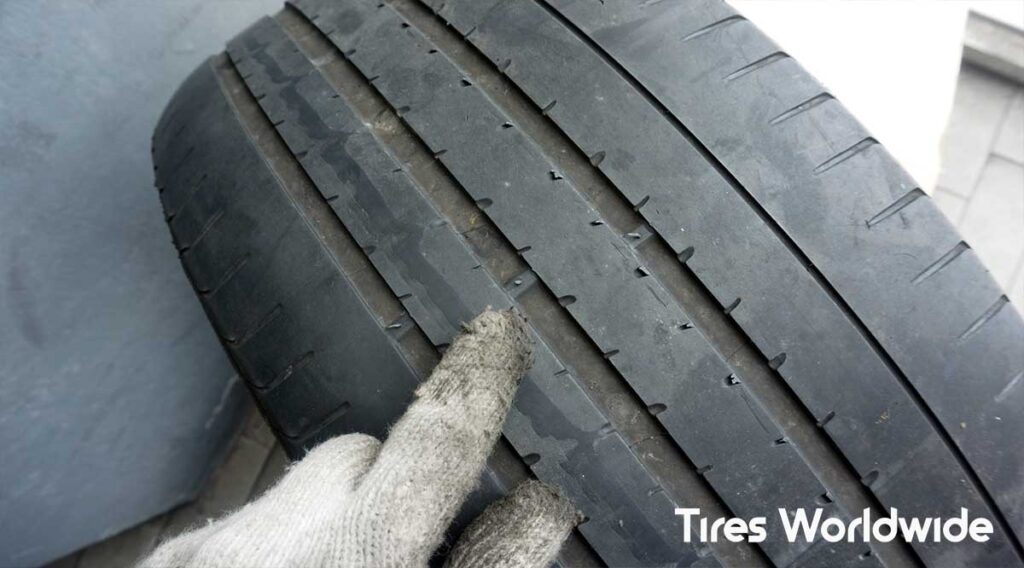
Your tires don’t always wear down at the same speed, and sometimes they start showing signs way before your next rotation date. One of the biggest clues is uneven tread wear.
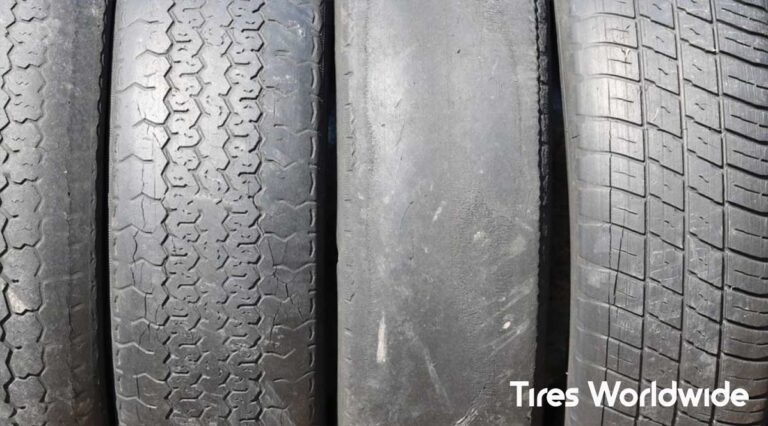
If you see the inside edge wearing faster than the outside, or the tread looks wavy or rough in certain spots, that’s a red flag. This can be caused by things like bad alignment, hard turns, or just regular driving on rough streets.
Uneven tread isn’t something to ignore. It can make your car shake, slip, or lose grip when the road gets wet. Take a quick look at your tires every few weeks. A fast check can save you from bigger problems later.
Vehicle Pulling to One Side
If your car starts drifting or pulling in one direction while you drive straight, that’s another sign your tires may need rotation. It doesn’t always mean something major is wrong, but it usually means the tires are wearing unevenly.
Sometimes the pull comes from low tire pressure on one side. Other times it’s alignment. But uneven wear is a common cause. Rotating the tires helps keep things balanced so your car feels steady and predictable on the road.
If the pull continues even after rotation, have a mechanic check the alignment so it doesn’t get worse.
Vibrations at Certain Speeds
Feeling vibrations in your steering wheel? Especially around 40, 60, or 70 miles per hour? That’s often a sign of uneven wear or tire imbalance.
When the tread wears down in different patterns, the tires don’t roll smoothly. This makes your car shake or vibrate, and the faster you drive, the worse it feels.
While vibration can also come from things like bad wheel balance or loose parts, uneven tire wear is one of the most common reasons. A rotation can fix it before it grows into a bigger repair.
Different Tire Rotation Patterns Explained
Front-Wheel Drive Rotation Pattern
Front-wheel drive cars put most of the pressure on the front tires. They handle the steering, the pulling, and a lot of the braking. Because of that, the front tires wear out faster.
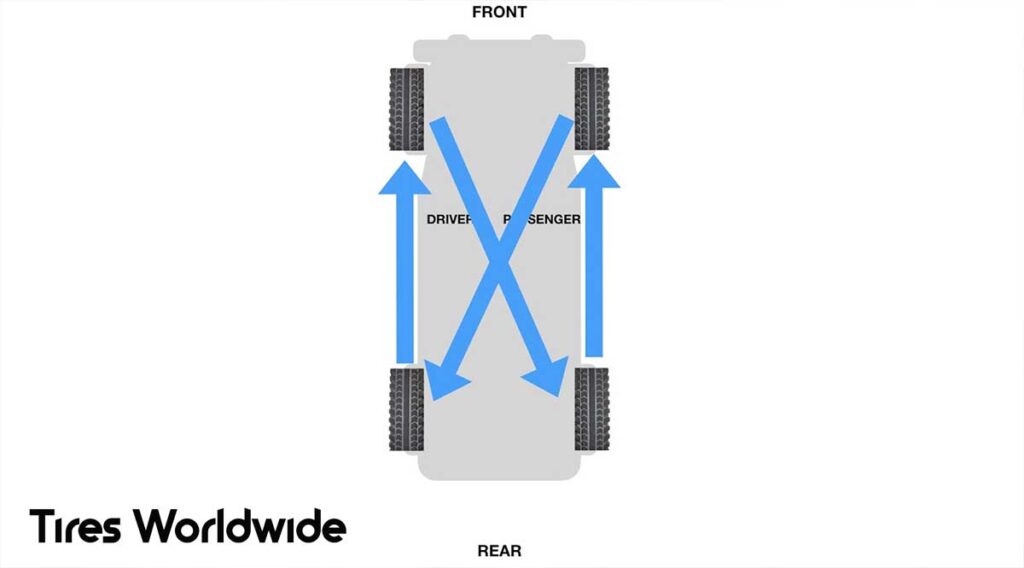
The most common pattern for FWD cars is the forward cross pattern. That means the front tires move straight back, and the back tires move to the front but switch sides. Simple flip. Nice and balanced.
This pattern helps even out the heavy front-tire wear and keeps the car feeling stable. If you drive a small sedan or compact car, you’re probably working with this pattern.
Rear-Wheel and AWD Rotation Pattern
Rear-wheel drive cars push from the back, so those tires take more stress. All-wheel drive cars spread the pressure across all four wheels, which means they need careful rotation to keep things even.
For these setups, the usual rotation is the rearward cross pattern. In this pattern, the back tires move straight to the front. The front tires move to the back but cross sides.
This keeps traction consistent and helps prevent sudden wear on any one tire. AWD cars especially benefit from this because uneven wear can actually damage the drivetrain over time. If you drive an SUV or a truck, this is probably your pattern.
Directional and Staggered Tires
Some cars have special tires that can’t be rotated normally.
Directional tires are designed to roll in only one direction. They have an arrow on the side showing which way they should spin. Because of that, they can only switch front to back on the same side. They can’t cross over.
Staggered tires are different sizes on the front and back. A lot of sports cars use them for better grip. These can’t be rotated at all because the sizes don’t match.
If your car has either of these setups, follow the car manual or ask the shop before rotating. Trying the wrong pattern can damage the tires or mess with your steering.
How Driving Conditions Affect Rotation Frequency
Highway vs City Driving
The way you drive every day has a huge impact on how fast your tires wear down. Highway driving usually wears tires more evenly because you’re moving in a straight line most of the time. The tires stay steady and don’t deal with constant stopping or sharp turns.
City driving is the complete opposite. You stop. You go. You turn. Then stop again. All that action puts more pressure on certain parts of the tire, which speeds up uneven wear.
If most of your driving happens on busy streets or in traffic, you may need to rotate your tires a little sooner than the normal schedule. Checking them every few thousand miles helps you stay ahead of any issues.
Heavy Loads and Towing
If you carry a lot of weight in your car or tow trailers often, your rear tires take on extra stress. They push harder and carry more load than usual. Over time, this can wear them down faster, especially if you’re towing up hills or driving long distances.
This type of driving usually means you’ll need to rotate your tires more often to keep everything even. When the back tires start wearing too quickly, it can affect your handling and braking. Rotating them helps balance the pressure and keeps the car steady.
Hot and Cold Climate Impact
Even the weather plays a big part in how your tires wear. Hot climates make the rubber heat up faster, which can cause quicker tread wear. Roads in hot areas can also be rougher, adding to the problem.
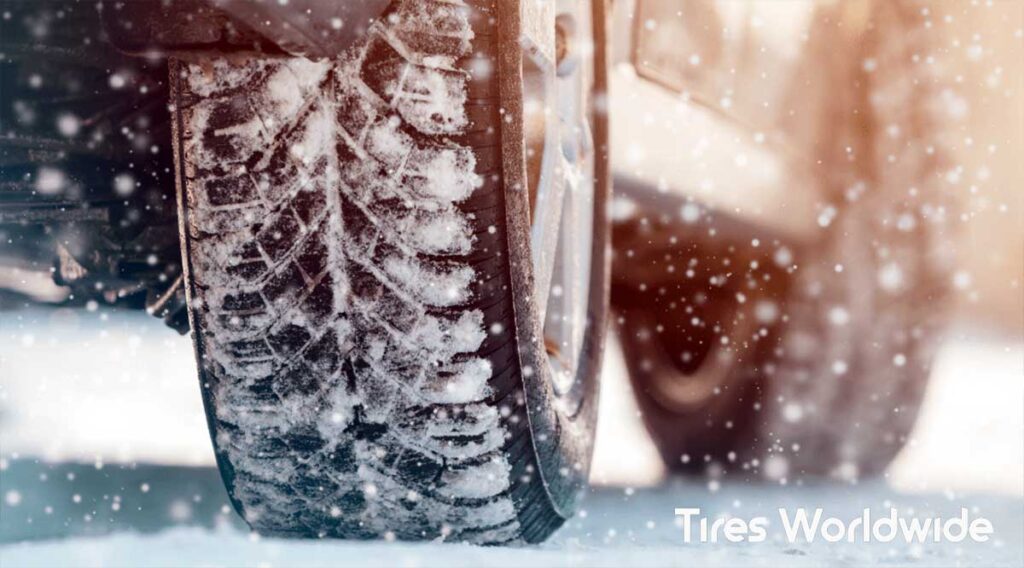
Cold weather brings different challenges. The rubber stiffens when temperatures drop, making the tires less flexible. This can lead to uneven wear, especially during the winter season.
If you live somewhere with very hot summers or freezing winters, checking your tires more often can help you catch wear patterns early. For more weather-related tire tips, you can check resources like https://www.nhtsa.gov/tires.
Cost of Tire Rotation and Why It’s Worth It
Typical Price Range
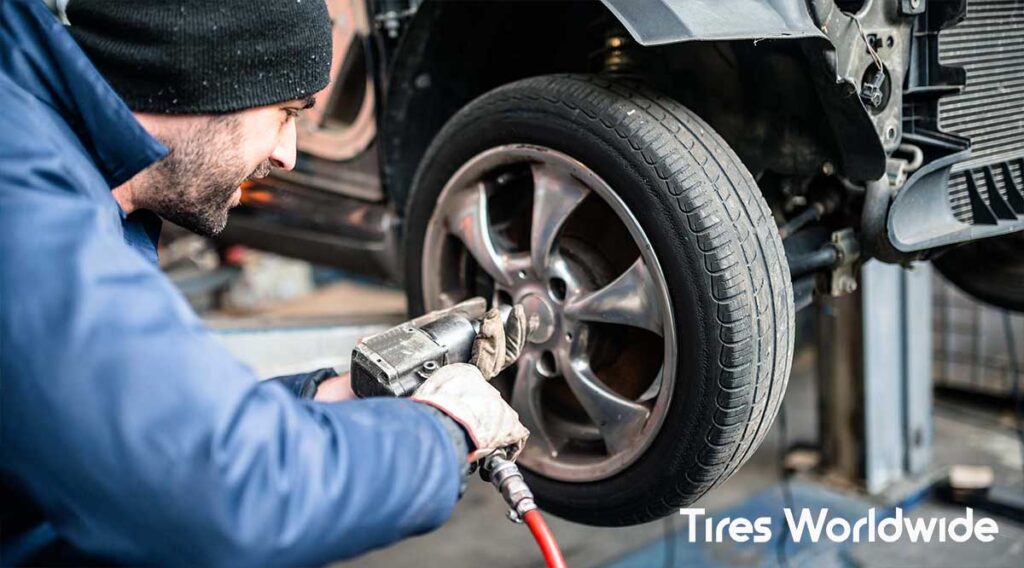
Tire rotation is one of the cheapest car services you can get, which is great because it makes a big difference in how long your tires last. Most shops charge around $20 to $50 for a full rotation. That’s it.
Even better, some places rotate your tires for free if you bought the tires there. Many dealerships and tire shops also include free rotations with routine services. It’s a small cost with a huge payoff, especially when you compare it to the price of a full set of new tires.
Cost Savings From Longer Tire Life
Replacing tires isn’t cheap. A full set can cost hundreds of dollars, sometimes more if you drive an SUV or truck. Rotating your tires helps you delay that big purchase by keeping the wear even across all four tires.
When tires wear evenly, they last longer. They stay safer. They keep your car performing the way it should. Rotating your tires regularly can add thousands of miles to their life. That alone makes the small rotation fee worth every penny.
Skipping rotations often leads to two tires wearing out way faster than the others. Then you’re stuck buying replacements earlier than expected. Spending a few bucks now saves a lot later.
Preventing Expensive Repairs
Tire rotations do more than save your tread. They help you avoid costly problems that pop up when your wheels wear unevenly. Uneven wear can lead to alignment issues, suspension strain, and even damage to parts like wheel bearings.
When a mechanic rotates your tires, they also get a chance to spot problems early. Things like low tread, bulges, or uneven pressure show up fast when tires are removed and checked. Catching these issues early helps you avoid expensive repairs down the line.
How to Rotate Tires Yourself (DIY Guide)
Tools You’ll Need
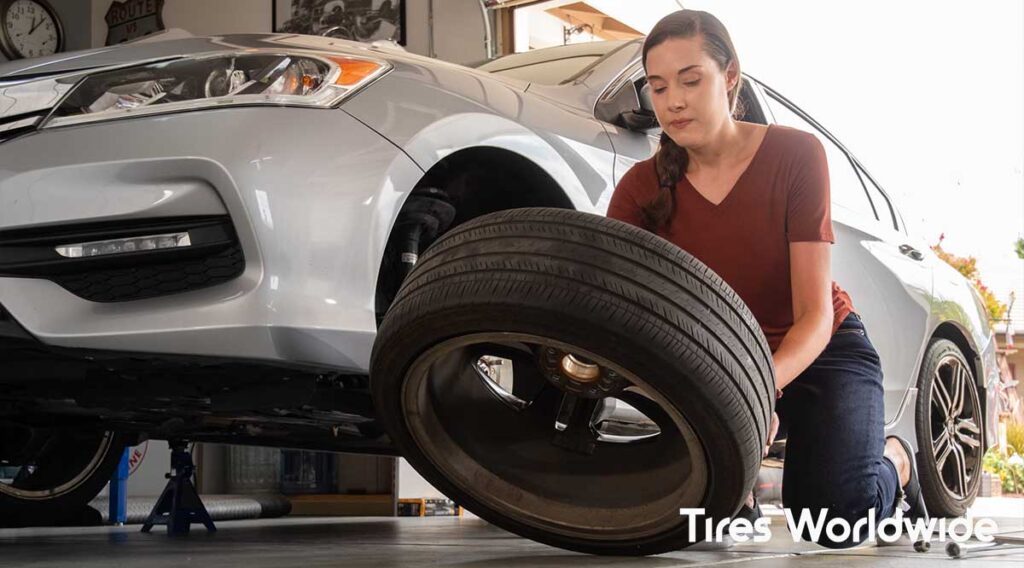
If you like doing simple car jobs yourself, a tire rotation is something you can handle. You don’t need a full garage setup, but you do need a few basic tools.
You’ll need a car jack, jack stands, and a lug wrench. Most cars come with a basic jack, but a hydraulic jack is easier and safer to use. Jack stands are important because they hold the car up while you work. Never rely on the jack alone.
You should also check your car’s torque specs, which tell you how tight the lug nuts need to be. You can find this in your owner’s manual or on trusted sites like https://www.edmunds.com.
Step-by-Step Rotation Basics
Start by parking your car on a flat, solid surface. Make sure the parking brake is on. This keeps the car from rolling.
- Loosen the lug nuts slightly before lifting the car. Don’t remove them yet.
- Lift the car using the jack, then place jack stands under the frame for safety.
- Remove the tires one by one.
- Move each tire to its new spot based on your rotation pattern. For example, in a front-wheel drive car, the front tires go to the back, and the back tires cross sides to the front.
- Put the tires back on, then tighten the lug nuts by hand.
- Lower the car and tighten the lug nuts fully using a torque wrench.
Go slow. Take your time. Safety matters more than speed. If anything feels off, stop and double-check the steps.
When DIY Isn’t Recommended
There are times when rotating your tires yourself isn’t a great idea.
If your car has low-profile tires, run-flat tires, or high-performance wheels, the job gets trickier. These tires need extra care because they’re stiff and can damage easily.
Cars with advanced safety features, like TPMS sensors built into the wheels, also need caution. If you damage a sensor during the rotation, the repair costs can add up fast.
If you aren’t confident lifting the car, or you don’t have safe equipment, it’s better to let a shop handle it. Tire rotations are cheap, and professionals can spot problems you might miss.
Conclusion
Staying on top of your tire rotation frequency is one of the easiest ways to save money, boost safety, and keep your car running like a champ. Whether you drive a small commuter car or a full-size SUV, rotating your tires every 5,000–7,500 miles can prevent uneven wear and extend your tire life by thousands of miles. So don’t wait for that weird vibration or wiggly steering wheel. Mark your rotation on your calendar and give your tires the TLC they deserve!