
Tire Balancing vs. Alignment: What’s the Difference?
If you’ve ever felt your steering wheel shake like it’s trying to send you a message, you’re not alone! A lot of drivers mix up tire balancing vs alignment, even though they solve completely different problems. And here’s a wild stat to kick things off: misaligned wheels can reduce tire life by up to 20%. That’s money literally rolling away!
In this guide, we’ll break down balancing, alignment, when you need each one, how much they cost, and why staying on top of both keeps your rides smooth, safe, and stress-free. Let’s dive in and make this car stuff way easier to understand!
What Is Tire Balancing? (Smooth Ride Basics)

Tire balancing is basically a way to make sure your car drives smooth instead of shaky. When a tire isn’t balanced, one part of the wheel ends up heavier than the rest. You might not see it, but your car definitely feels it—especially once you hit higher speeds. Most drivers don’t think about balancing until the steering wheel starts shaking, but balancing is one of the simplest ways to keep your ride feeling steady and safe. It keeps your tires wearing evenly, protects your suspension, and just makes driving a whole lot more comfortable.
How Tire Balancing Works
When you go to a tire shop, the mechanic takes the wheel off and puts it on a balancing machine. The machine spins the tire and checks where the weight isn’t even. If it finds a heavy spot, the tech adds small metal weights to balance everything out. Those little weights make a huge difference, because even a tiny imbalance can shake the whole car when you’re on the highway. You can’t spot these imbalances just by looking at the tire, which is why the machine is so important. If you want a simple explanation from a trusted source, companies like Bridgestone and Michelin break it down really well.
Signs Your Tires Need Balancing
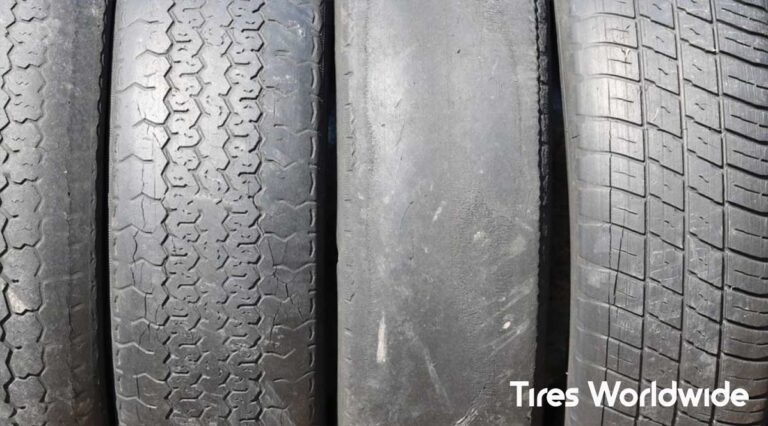
Your car usually gives you hints when your tires are out of balance. The most common sign is a shaky steering wheel, especially at higher speeds. Sometimes the vibration isn’t just in the wheel—you might feel it in the seat or floor. Another sign is uneven tire wear. If the tread looks more worn in certain spots, that usually means the tire isn’t spinning evenly. Many people mistake this for “old tires,” but sometimes it’s just a balancing issue that needs a quick fix.
Benefits of Proper Tire Balancing
Balanced tires make driving feel smoother and more relaxing. You won’t feel that buzzing in the steering wheel, and your car handles better overall. It also helps your tires wear evenly, which means they last longer and save you money. On top of that, proper balancing reduces stress on your suspension and steering parts, helping you avoid expensive repairs down the road. You may even get better gas mileage since the car doesn’t have to work as hard to roll smoothly. It’s a small service that makes a big difference.
What Is Wheel Alignment? (Straight & Safe Driving)
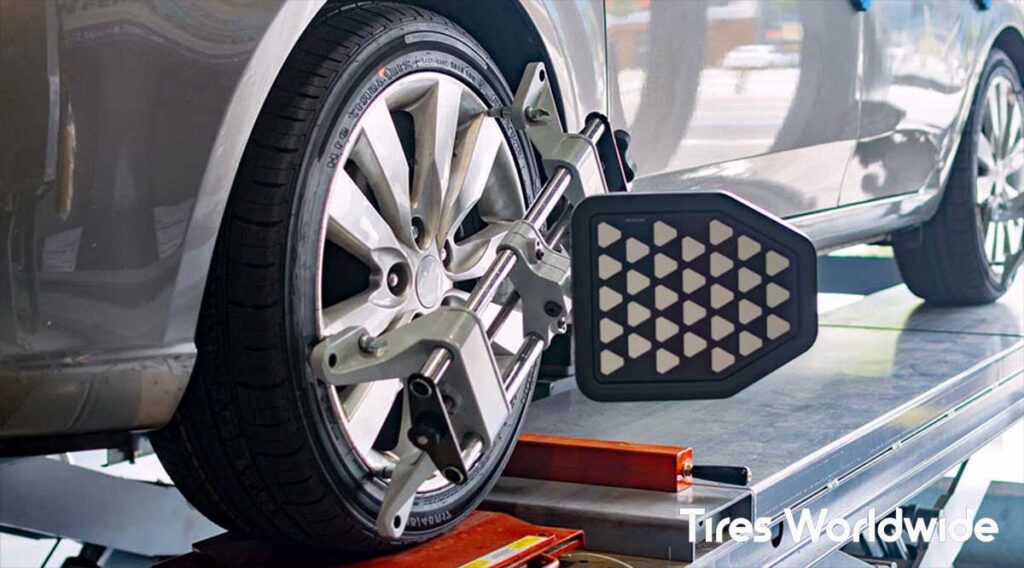
Wheel alignment is all about making sure your car drives straight and feels controlled on the road. When your wheels are aligned the right way, your tires meet the road at the perfect angle, and your steering feels smooth and predictable. But when the alignment is off, your car may start drifting to one side, your steering wheel might sit crooked, and your tires can wear out way faster than they should. A lot of drivers don’t realize how big of a deal alignment is until their car starts acting weird, but it plays a huge role in safety, comfort, and even fuel use.
How Wheel Alignment Works
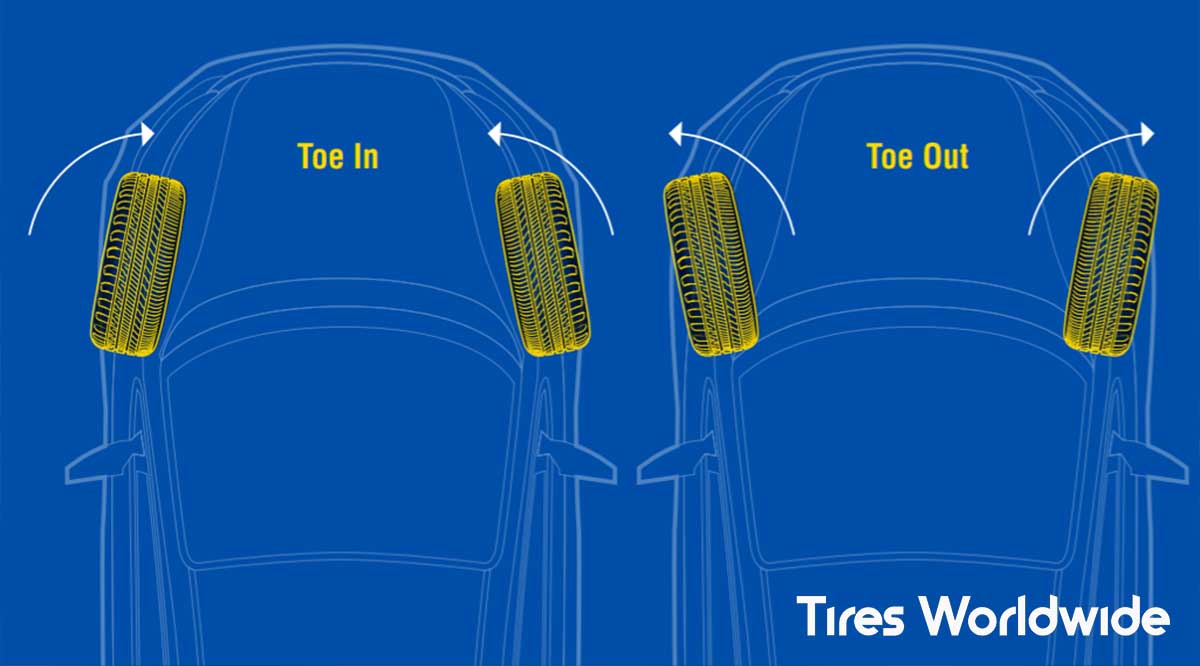
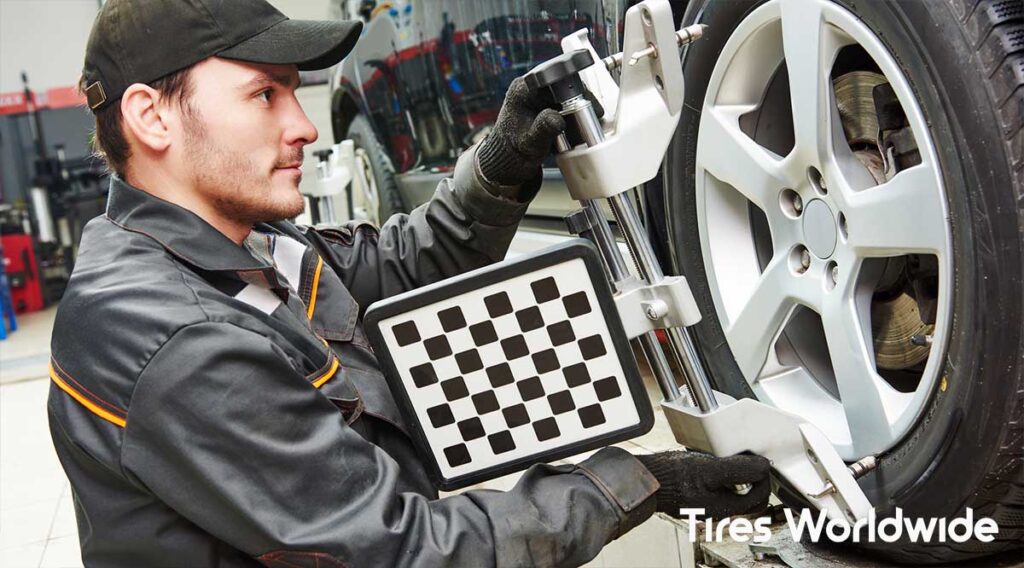
A proper wheel alignment uses a computerized system to measure three main angles: camber, caster, and toe. These are fancy names for how your wheels tilt, lean, and point. The mechanic attaches special sensors to each wheel, and the computer shows exactly what needs to be adjusted. Then the tech makes tiny changes to the suspension parts so your wheels sit straight again. The whole process looks technical, but the goal is simple: make sure your tires meet the road evenly so your car drives the way it’s supposed to. If you want a deeper explanation, you can check guides from sources like https://tires.bridgestone.com/en-us/learn/tire-maintenance/tire-alignment.
Signs You Need an Alignment
There are a few clear signs that your car needs an alignment. The biggest one is when your car pulls to one side even though your steering wheel is straight. It feels like the car has a mind of its own. Another sign is a crooked steering wheel. If you’re driving straight and your wheel isn’t centered, something is off. You might also notice fast or uneven tire wear, which happens when the tires aren’t touching the road evenly. Sometimes you might hear strange tire noises too. All of these are warnings that your wheels aren’t lined up right.
Benefits of Proper Alignment
Getting a wheel alignment can make your car feel brand new. It keeps your steering straight, makes the car easier to control, and helps your tires wear evenly. When your wheels are aligned correctly, you get better fuel mileage because your tires roll with less resistance. It also reduces strain on parts of your suspension, which helps you avoid bigger repair bills later. Plus, aligned wheels make emergency stops and sharp turns safer. Overall, a good alignment gives you a smoother, safer, and more predictable driving experience.
Tire Balancing vs Alignment: Key Differences
A lot of people mix up tire balancing and alignment, and honestly, it makes sense because both services help your car drive smoother. But they fix totally different problems. Tire balancing deals with vibrations and shaky rides, while wheel alignment focuses on keeping your car driving straight. Think of balancing as fixing the “wobble” and alignment as fixing the “pull.” Knowing the difference helps you figure out which service you really need instead of guessing or wasting money.
Purpose Comparison
Tire balancing makes sure the weight of each wheel is even so the tire spins smoothly. If the weight is off, your car shakes—especially at higher speeds. Alignment, on the other hand, makes sure your wheels point in the right direction. If the angles are off, your car might drift, your steering wheel may sit crooked, and your tires wear down faster. So balancing fixes vibration, but alignment fixes direction and tire wear. They work together, but they solve different issues.
When You Need Each Service
You usually need balancing when your steering wheel vibrates, the car shakes at certain speeds, or your tires wear unevenly. It’s also smart to balance tires every time you get new ones installed. Alignment is needed when your car pulls to the side, hits a big pothole, or you notice the steering wheel isn’t centered. Many shops recommend checking alignment once or twice a year since regular driving slowly knocks it out of place. If you drive on rough roads or hit curbs often, you’ll need it more.
Symptoms Comparison Chart
It helps to think of the symptoms side by side. Vibration in the steering wheel? That’s usually a balancing problem. Car drifting left or right? That points to alignment. Shaking that gets worse at higher speeds? Balancing again. Fast or uneven tire wear—especially on one side—usually means alignment. Weird humming or wobbling noises can happen with both, but the other signs make it easier to tell which service solves the issue. Once you know the difference, diagnosing your car’s “weird behavior” gets a lot easier.
Cost Comparison in 2025
When your car starts shaking or pulling, one of the first questions that probably pops into your mind is, “Okay… how much is this gonna cost me?” The good news is that tire balancing and wheel alignment aren’t crazy expensive, and they help you avoid much bigger repair bills later. Prices can vary depending on where you live, the type of car you have, and the shop you go to, but having a general idea helps you plan ahead and avoid surprises.
Average Tire Balancing Costs
In 2025, most tire shops charge somewhere between $15 and $30 per tire for balancing. Some places offer a package deal when you buy new tires, so balancing might even be included. Larger wheels usually cost a little more because they take longer to balance. The nice thing is that balancing is a fast service, and you can usually get it done during a normal tire rotation. If you ever feel vibrations at certain speeds, it’s worth the small cost to get it checked right away.
Average Alignment Costs
Wheel alignments cost more than balancing, but they’re also more detailed. A standard front-end alignment usually costs between $75 and $120. A four-wheel alignment, which many modern cars need, can run from $120 to $180. Some luxury vehicles or trucks with special suspension systems may cost a bit more because they take extra time and special tools. Many shops also offer alignment “lifetime plans,” where you pay once and get unlimited checks, which can be a great deal if you drive a lot or hit potholes often.
How Often to Get Each Service
Tire balancing doesn’t need to be done constantly, but it’s smart to check it every 6,000 to 8,000 miles, which usually lines up with a tire rotation. If you drive on rough roads or notice new vibrations, get it checked sooner. Alignment should be checked at least once a year. But if you hit a big pothole, bump a curb, or notice your car pulling to one side, don’t wait—misaligned wheels can wear out tires extremely fast. Staying on top of both services helps your tires last longer, keeps your car safe, and saves you money in the long run.
How Balancing & Alignment Improve Car Safety
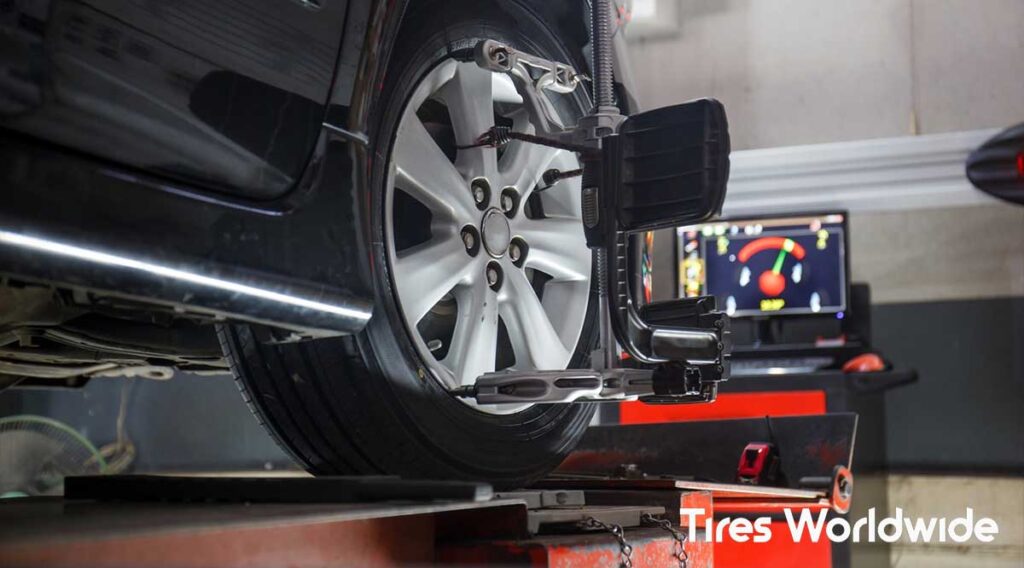
Most people think tire balancing and alignment are just “extra” services shops try to sell, but they actually play a huge role in keeping you safe on the road. When your tires aren’t balanced or your wheels aren’t aligned, your car doesn’t handle the way it should. It might shake, drift, or feel unstable, and that can be dangerous—especially at high speeds. Keeping everything balanced and aligned helps your car react faster, stop better, and stay steady no matter where you drive.
Impact on Braking and Handling
When your wheels are aligned the right way, your car responds better when you steer or brake hard. If the alignment is off, your tires don’t grip the road evenly, which makes turning feel sloppy and can increase stopping distance. Balancing also helps because a shaky car doesn’t handle as well during quick movements or tight turns. Think of it like trying to run on uneven shoes—it just feels wrong. When everything is properly adjusted, your car stays stable, which gives you more control during sudden stops or swerves.
Protecting Suspension and Steering Parts
Your suspension and steering are designed to take hits, but not nonstop shaking or uneven pressure. Unbalanced tires can shake so much that they put extra stress on your shocks, struts, and ball joints. Over time, that stress wears them out faster and leads to expensive repairs. Misalignment creates a different problem—it forces your suspension to “fight” the direction of the wheels, which causes uneven wear and extra strain. Fixing these issues early helps your car last longer and keeps repair costs low.
Fuel Efficiency Improvements
A lot of people are surprised to learn that balancing and alignment also affect gas mileage. When your wheels aren’t aligned, your tires drag instead of rolling freely. That means your engine has to work harder, which burns more fuel. Balanced tires reduce rolling resistance too, because the tire spins evenly instead of wobbling. It may seem like a small thing, but over time, better alignment and balancing can save you real money at the pump. Smoother ride, better fuel mileage—pretty good deal, right?
DIY vs Professional Service
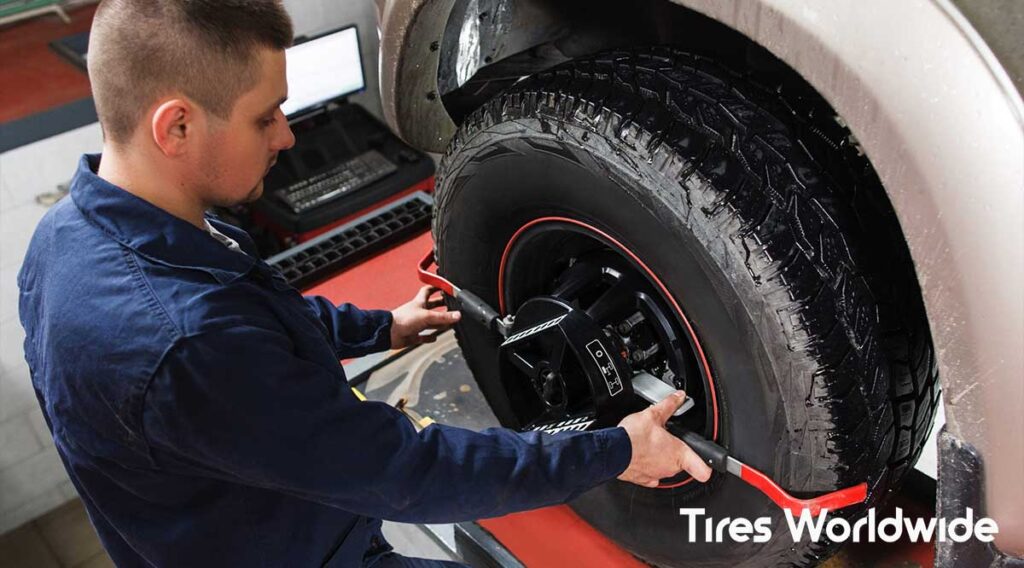
When your car starts acting weird, it’s tempting to think, “Maybe I can fix this myself.” And sure, there are a few things you can handle at home. But when it comes to tire balancing and wheel alignment, most of the real work needs professional tools. These services use machines that measure things down to tiny details, and no amount of eyeballing or guessing can replace that. Still, it’s helpful to know what you can safely handle on your own and when it’s time to call in the pros.
What You Can Do Yourself
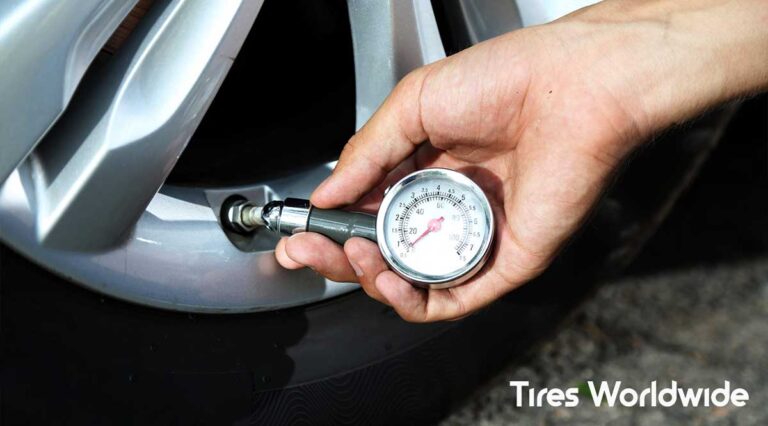
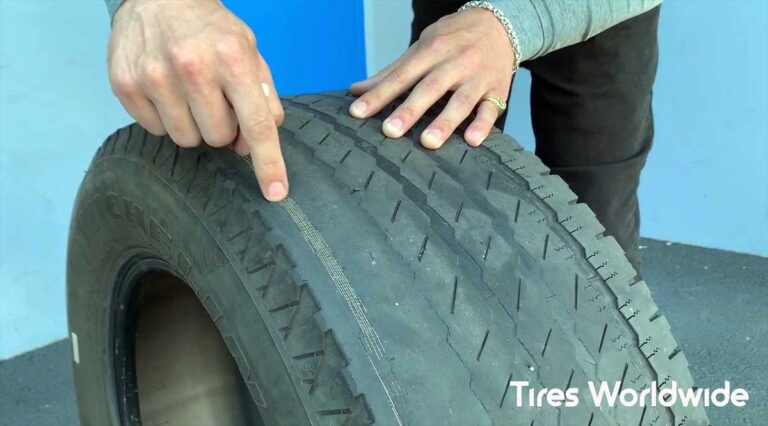
You can’t really balance or align your tires at home, but you can take care of a few simple things that keep your tires in good shape. For example, checking your tire pressure is something everyone should do. Low or high pressure can make your car feel off, and it only takes a minute to check with a basic tire gauge. You can also keep an eye on your tread wear. Just look for weird patterns, bald spots, or areas that are wearing down faster than others. These small checks help you spot problems early before they turn into bigger issues. You can also rotate your tires at home if you know what you’re doing and have the right tools, but most people prefer letting a shop handle it for safety reasons.
What Requires a Professional
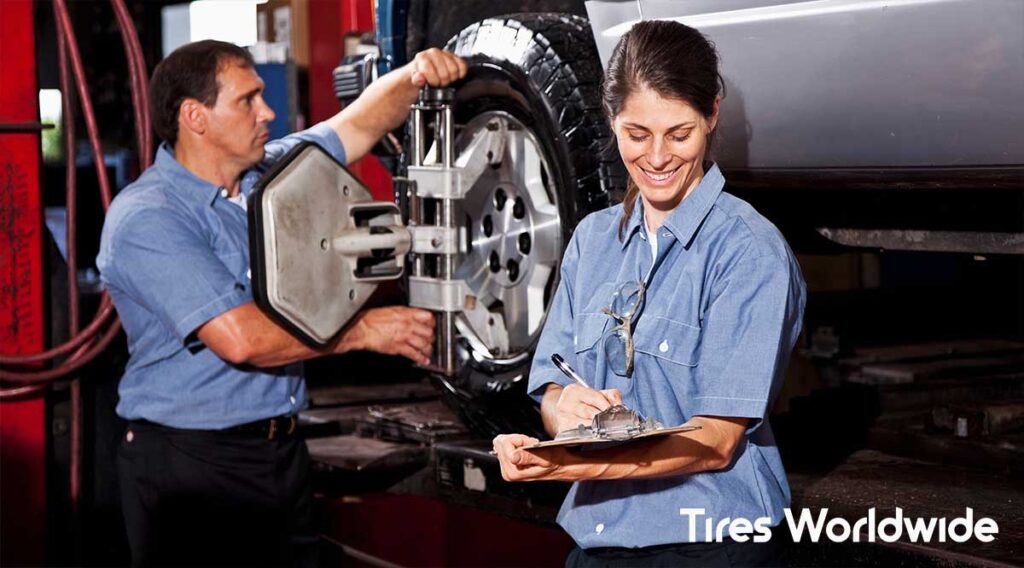
Balancing and alignment both need special machines that you just can’t DIY. Balancing requires a spinning machine that finds tiny weight differences your eyes would never catch. Alignment needs a computerized system that measures exact angles like camber, caster, and toe. These angles have to be perfect, or your car won’t drive straight. Trying to fix this at home without the right tools can actually make things worse. A pro can get everything dialed in with pinpoint accuracy, often in less than an hour.
How to Choose the Right Auto Shop
Picking the right shop matters because not all places use the same tools or have trained techs. Look for shops that use modern alignment machines and have certified technicians. You can also read reviews online to see what other customers say. A good shop should explain the problem clearly, show you the alignment report, and not pressure you into buying things you don’t need. Some places even offer warranties on their alignment work, which is a nice bonus. As long as the shop is trustworthy and uses the right equipment, you’ll get solid results every time.
Conclusion
Keeping your car in top shape doesn’t have to feel complicated! When you understand tire balancing vs alignment, it gets way easier to spot issues before they turn into bigger (and more expensive) problems. Just remember: balancing fixes vibrations, alignment fixes steering and tire wear. Stay on top of these two simple services, and your car will drive smoother, safer, and longer. If you’re noticing weird pulling, shaking, or uneven wear, go get it checked today — your tires (and wallet!) will thank you.




Today, with the fast way of living that everyone is having, credit cards have a huge demand throughout the market. Persons throughout every arena are using the credit card and people who are not using the credit cards have made up their minds to apply for one. Thanks for expressing your ideas on credit cards.