How Temperature Tire Pressure Changes Affect Your Driving
Ever notice your car suddenly flashing a low tire pressure warning on a cold morning? You’re not alone! Temperature tire pressure changes surprise millions of drivers every year, and most people have no idea why it happens. In fact, experts say tire pressure can drop 1 PSI for every 10°F drop in temperature—wild, right?
In this guide, we’ll break down why temperature affects tire pressure, how it impacts your safety, and what simple steps you can take to stay in control. Let’s dive in and make sure your tires stay happy, healthy, and ready for the road!
Why Temperature Changes Affect Tire Pressure
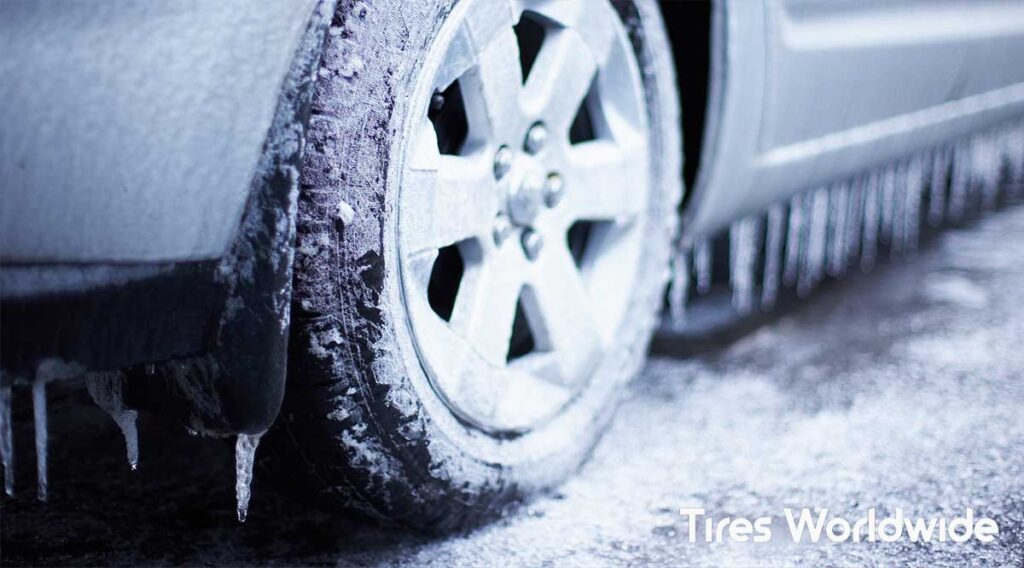
Ever wonder why the tire light magically pops on the moment it gets cold outside? It’s not your car trying to stress you out—there’s actually a real reason behind it. Temperature changes mess with your tire pressure in ways most drivers never think about. Let’s break it down in plain English so it actually makes sense.
The science behind air expansion and contraction
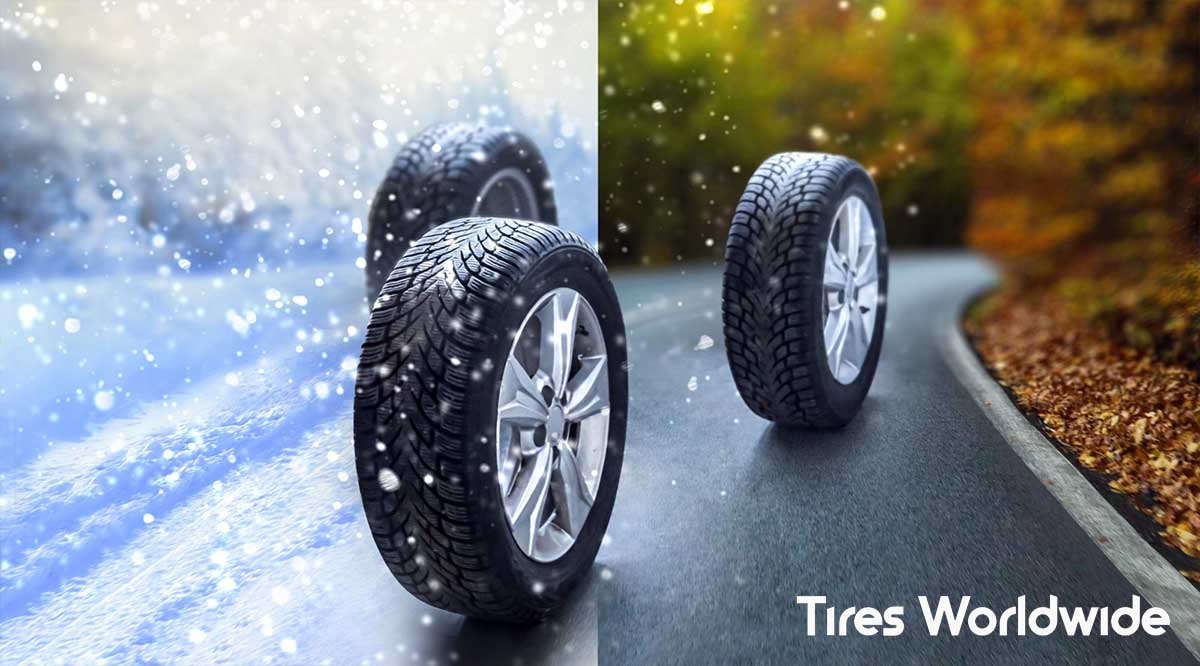
When the weather gets colder, the air inside your tires shrinks. It takes up less space, so your tire pressure drops. That’s why every winter morning feels like your car is nagging you. On the flip side, when it gets hot, the air inside your tires expands. More heat means more pressure. It’s kind of like how a balloon feels tighter in the sun and softer in the cold.
This isn’t just a random thing. It’s how air works. For every 10°F drop in temperature, your tire pressure can fall by about 1 PSI. It doesn’t sound like much, but it adds up fast. If the day goes from warm afternoon to freezing night, you can easily lose several PSI by morning.
How seasonal changes impact tires
Seasonal shifts hit your tires harder than you think. In winter, the cold air drops your tire pressure because the air inside compresses. So even if your tires were perfect yesterday, you might wake up to a low PSI alert today. Annoying? Yes. Normal? Also yes.
Summer does the opposite. Hot pavement and warm air boost your tire pressure. Sometimes it rises more than you expect, especially during long highway drives. Tires heat up even faster when your car has been sitting in the sun.
Morning and afternoon temps can also trick you. Your tire pressure might look fine at 2 p.m. but drop overnight, and suddenly the dashboard light comes on again. A lot of drivers think their tires are “leaking,” but really, the temperature is just playing games with the air inside.
Many people don’t realize this and end up overinflating or underinflating their tires. That’s why tire shops always tell you to check PSI when the tires are cold. It gives you the most accurate reading.
How Temperature Tire Pressure Changes Affect Your Safety
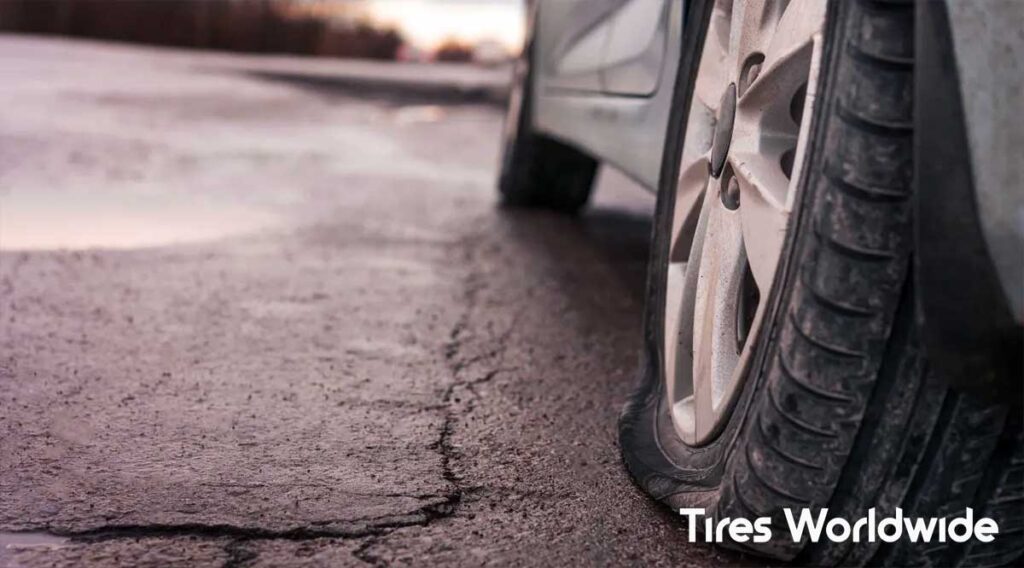
When your tire pressure isn’t right, your whole car feels it. You might not notice it at first, but trust me—your tires do. Temperature swings can make a huge difference in how safe your car is on the road. And the wild part? Most people don’t even realize it’s happening until something goes wrong.
Reduced traction and longer braking distances
When your tire pressure drops, your tires don’t grip the road the same way. They flatten out more than they should, which means less control. It might not feel dramatic, but in a sudden stop or sharp turn, that small change can make a big difference.
If you’re driving in rain, snow, or ice, low tire pressure can be even more dangerous. Your car needs solid traction to push water away and avoid sliding. Underinflated tires can’t do that as well. That’s when stopping distances get longer, steering gets sloppy, and the road starts feeling “slick,” even when it’s not your imagination.
Overinflated tires are also risky. When it’s hot outside, your PSI can shoot way up. This makes the tire too firm, giving you a smaller contact patch with the road. Less contact means less grip. That can make your ride feel bumpy and your braking less predictable.
If you want more safety details straight from the experts, the National Highway Traffic Safety Administration explains it well here:
https://www.nhtsa.gov/equipment/tires
Tire blowout risks during hot weather
Here’s the part nobody likes to think about. Low tire pressure in hot weather can actually lead to blowouts. When your tire is underinflated, the sidewalls flex way more than they’re supposed to. Flexing creates heat. Add hot pavement into the mix, and suddenly your tire is cooking from the inside.
This happens a lot during summer road trips. You load up the car, hit the highway, drive at high speeds—and your tires heat up fast. If the pressure is too low, all that stress pushes them past their limit. Boom. Blowout.
You’ll also notice warning signs before things go bad. If your steering feels mushy, or if the car starts pulling to one side, something’s off. A tire might be losing pressure. That’s your cue to pull over and check it before things get ugly.
The hotter the day, the more careful you need to be. Tires absorb heat from the road like a sponge. Keeping the right PSI lowers the risk and keeps your ride smoother and safer.
How Temperature Fluctuations Affect Fuel Efficiency
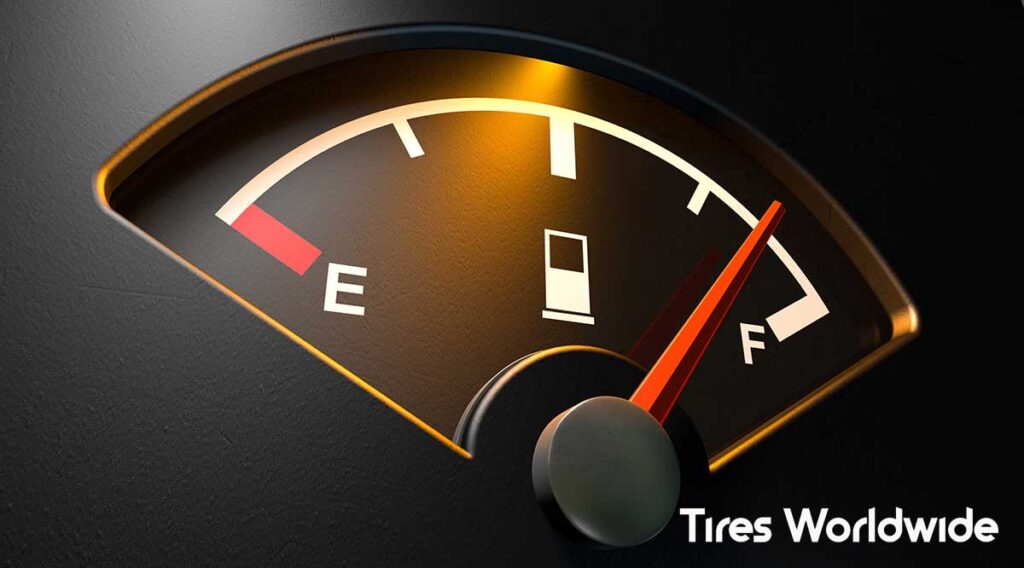
Most people don’t connect tire pressure with gas mileage, but the two are basically best friends. When your tire pressure is off—even by a little—it can cost you money every single time you drive. Temperature swings make this even trickier because your PSI can change without you touching anything. Let’s break it down so it actually makes sense and doesn’t feel like another boring car lecture.
Why low tire pressure increases fuel consumption
When your tires are low on air, they sag a little. That extra sag creates more rolling resistance, which is just a fancy way of saying your car has to work harder to move forward. Imagine trying to walk through sand instead of on a sidewalk. That’s your engine when your PSI is too low.
The moment the weather gets cold and your PSI drops, your fuel efficiency drops right along with it. You might not notice it at first, but you’ll feel it in your wallet. Studies show you can lose up to 3% of your gas mileage when your tires are even slightly underinflated. And if they’re really low? You’ll burn through fuel way faster than you should.
Electric and hybrid cars feel this even more. They rely on smooth, efficient rolling to stretch battery life. Low tire pressure can cut EV range in a way that surprises new drivers. That’s why EV owners check their PSI more often.
Cost savings from proper inflation
Keeping your tires pumped to the right PSI pays off big time. When your pressure is correct, your tires roll easier. Your engine relaxes. Your fuel bill drops. And the best part? It’s the easiest car maintenance chore on the planet.
A lot of drivers save anywhere from $50 to $100 per year just by keeping their tires at the right pressure. That might not sound huge, but over time, it adds up. And that’s just fuel—proper PSI also helps your tires last longer. Underinflated tires wear out faster on the edges, while overinflated tires wear out in the middle. Either way, you’ll be buying new tires sooner if you ignore your pressure.
Think about it like this: ten seconds with a tire gauge can save you cash every time you drive. Plus, your car will feel smoother, steer better, and handle bumps like a champ.
How to Check Tire Pressure Correctly in Any Weather
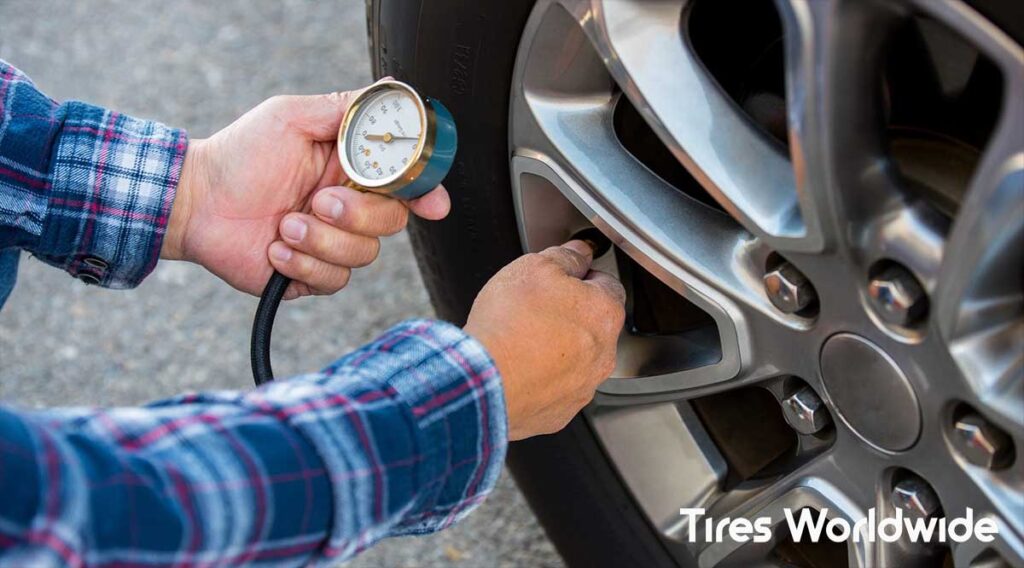
Checking your tire pressure sounds simple, but doing it the right way can make a huge difference—especially when the weather keeps bouncing between hot and cold. Most drivers either check it at the wrong time or trust the wrong numbers. Don’t worry though, once you understand the basics, it becomes one of the easiest car habits you’ll ever build.
Best time of day to check PSI
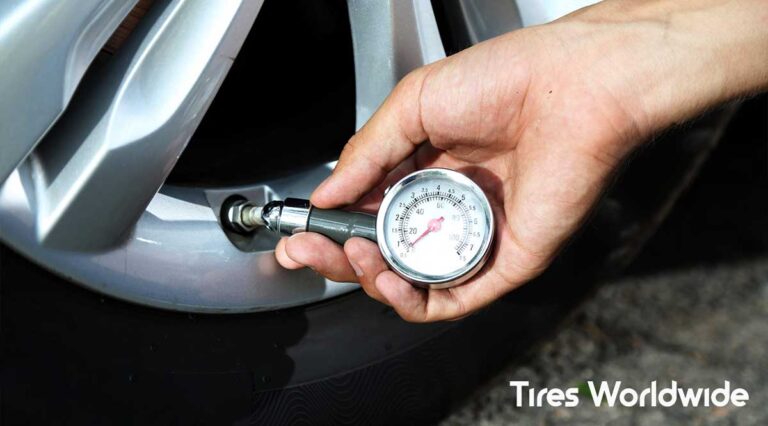
Always check your tire pressure when your tires are “cold.” And no, that doesn’t mean freezing cold. It just means the car hasn’t been driven for a few hours. When you drive, the tires heat up. Hot tires make the air inside expand. Expanded air gives you a falsely high reading.
So, the best time to check PSI is first thing in the morning before driving. Or anytime your car has been sitting for at least three hours. That way, you get a true reading instead of a random number.
A lot of drivers check their tire pressure at the gas station after driving there, and then they get confused when the gauge seems “off.” It’s not the gauge—it’s the heat from the road.
Understanding TPMS limitations
Most modern cars have a built-in Tire Pressure Monitoring System (TPMS). It’s great, but it’s not perfect. The TPMS only alerts you when the pressure drops 25% below the recommended level. That means you might already be driving around on low tires without seeing any warning light.
Also, TPMS gets confused when the temperature changes fast. You might see the light in the morning, then it disappears by lunchtime. The system isn’t broken—the weather is just messing with the numbers.
That’s why you shouldn’t rely on TPMS alone. It’s helpful, but it shouldn’t replace a simple manual check every few weeks, especially when seasons change.
Tools you need
You don’t need fancy equipment to keep your tires healthy. A good digital tire pressure gauge is the easiest tool to use. It gives fast, clear readings and doesn’t cost much. They’re more accurate than old-school stick gauges, and they work great in low light too.
A basic portable air inflator is also super handy. You can keep one in your trunk and pump up your tires anytime you need—no gas station visit required. Some plug into your car’s power outlet, while others are cordless.
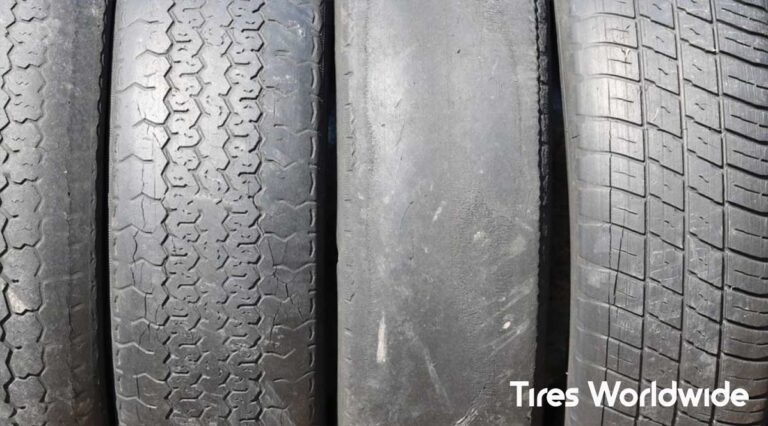
If your tires are constantly losing air or you see uneven wear, that’s when you should visit a tire shop. They can check for leaks, cracks, or damaged valve stems.
Maintaining the Right Tire Pressure Year-Round
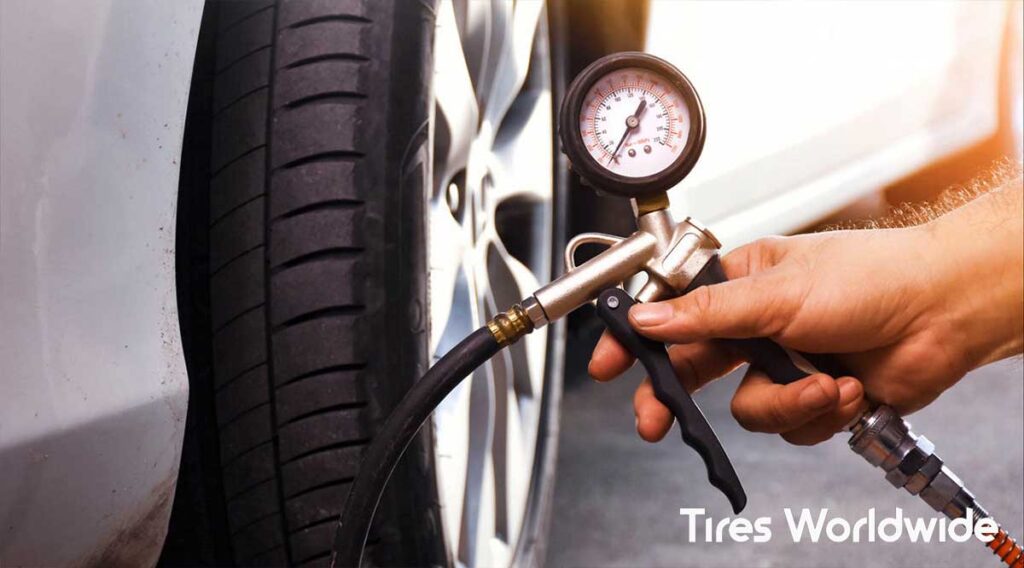
Keeping the right tire pressure all year doesn’t have to be a struggle. Once you understand how different seasons mess with your PSI, it becomes way easier to stay ahead of it. Think of it like adjusting your wardrobe—summer and winter both need different setups, and your tires are no different!
Ideal PSI settings per season
Every car has a recommended PSI, but the temperature outside can shift that number more than you think. In winter, cold air makes your tires lose pressure. So even if you filled them last week, the colder weather can drop them again. Many drivers need to add a few PSI during the winter months just to stay in the safe zone.
Summer is the opposite. Hot roads and warm air increase your PSI. So you might actually need to release a little air if your tires start feeling too firm. Driving with too much pressure in the heat can make your ride feel stiff and reduce traction.
The safest move is to always follow your vehicle’s recommended PSI, which you can find on the driver’s door sticker or in your manual. That number doesn’t change, no matter the season. What does change is how often you need to check it.
If you want to confirm your car’s exact PSI, here’s a helpful guide from Michelin:
https://www.michelinman.com/auto/auto-tips-and-advice/tire-pressure/what-tire-pressure
When to add or reduce air
Cold weather? Add air.
Hot weather? Maybe take some out.
That’s the basic idea.
When temperatures drop, your tire pressure drops too. If you see a low PSI warning during the first cold week of the year, that’s totally normal. Just top it off. Don’t wait for the problem to fix itself—because it won’t.
Heat waves can push your PSI higher. If your tires start looking extra rounded or your ride feels harder than usual, check the pressure. You might need to release a little air to get back to the recommended number.
Long road trips are another time to check your tires. High speeds and long drives heat them up fast. It’s better to fix pressure issues before you hit the highway, not halfway through the trip.
If you want a simple rule:
Check PSI every month, and every time the temperature swings by 10°F or more.
Long trip strategies
If you’re planning a long drive—like a summer road trip or holiday travel—tire pressure matters more than most people realize. High speeds heat the tires, and hot tires need more attention. Start with proper cold PSI before you leave. Don’t inflate your tires above the recommended number thinking it helps. It doesn’t. It makes things worse.
It’s also smart to bring a portable inflator so you can make quick fixes on the road. Tire shops in small towns close early, and gas station air pumps aren’t always reliable. A backup pump can save you time, stress, and maybe even a tow truck bill.
Common Tire Pressure Myths Debunked
There’s a ton of confusion out there about tire pressure. People repeat the same myths over and over, and honestly, some of them sound believable. But they lead to bad habits, unsafe driving, and worn-out tires way sooner than necessary. So let’s clear things up and break down the most common myths in a simple, no-nonsense way.
“My tires look fine, so the pressure must be good”
This is one of the biggest myths ever. Tires can be 10 PSI low and still look totally normal. That’s why so many drivers don’t realize their pressure is off until the warning light comes on—or worse, until the car starts handling weird.
A tire only looks “flat” when it’s dangerously low. By the time it sags enough for your eyes to notice, it’s already unsafe to drive on. That’s why visual checks don’t work.
Low tire pressure affects everything from braking to fuel efficiency, even when the tire looks okay. The only way to know the truth is to use a gauge. It takes 5 seconds and it saves you money, time, and stress.
“TPMS always gives accurate readings”
Your Tire Pressure Monitoring System (TPMS) is helpful, but it’s not perfect. A lot of drivers think TPMS is super precise, but it actually has a huge margin before alerting you. It waits until your pressure drops about 25% below the recommended PSI before the light turns on.
That means you could already be driving on low tires and not even know it.
TPMS sensors can also lag when the temperature changes fast. You might see the light come on during a cold morning, then disappear in the afternoon when the sun warms your tires. It’s not broken—it’s just reacting to the weather.
Here’s the thing: TPMS is a backup, not a replacement for checking your tires manually. Think of it like a smoke detector—it’s only supposed to alert you when something is already wrong.
Other myths worth mentioning
Here are a few bonus myths that trip people up:
“Overinflating tires gives better gas mileage.”
Not true. It only makes your ride rough and reduces grip. Whatever fuel savings you think you get, you lose in safety.
“You should inflate tires to the PSI listed on the tire sidewall.”
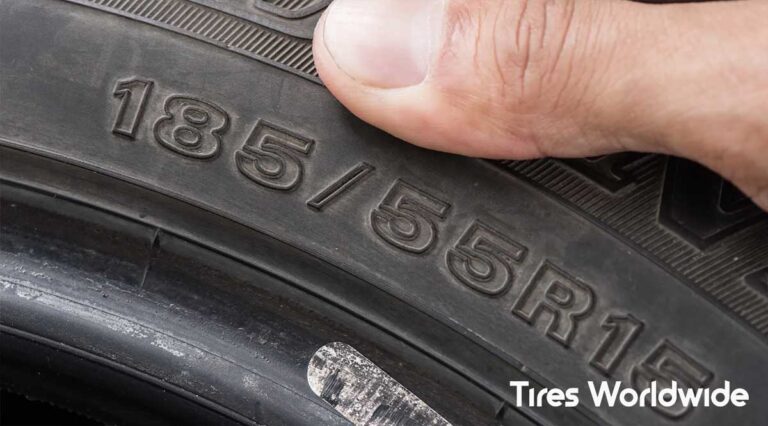
Nope. That number is the maximum the tire can hold—not the correct amount for your car. Always follow the sticker inside your driver’s door.
“Warm tires give the best reading.”
The opposite. Cold tires give the correct PSI. Warm tires only give you a temporary number.
Debunking these myths helps you keep your tires healthy longer and your driving safer year-round.
Conclusion
Temperature tire pressure changes can feel confusing, but once you understand how weather affects your tires, everything becomes way easier! Staying on top of your PSI not only keeps you safe—it also improves fuel efficiency, boosts tire life, and saves you money. Make it a habit to check your pressure regularly, especially when the seasons shift. Your car (and your wallet!) will thank you. Stay safe out there!