Tire Load Rating Guide
Ever looked at the side of your tire and wondered what all those numbers really mean? You’re not alone! In fact, one study showed that over 60% of drivers don’t know their tire’s load rating, even though it directly affects safety, performance, and handling. So in this guide, we’re breaking it all down — in plain English.
Welcome to your tire load rating guide, where I’ll walk you through everything you need to know to choose the right tires, avoid dangerous overloads, and drive with confidence. We’ll talk load indexes, charts, towing safety, tire labels, and a bunch of useful tips the pros swear by. So grab your keys (or your coffee), because we’re diving in!
What Is a Tire Load Rating?

What a Tire Load Rating Actually Means
A tire load rating is just a simple number that tells you how much weight a tire can safely hold. That’s it! Nothing fancy. If you’ve ever seen a number like “94” or “110” printed on the side of your tire, that’s the load rating. Each number connects to a weight limit on a load index chart. For example, a load rating of 94 means the tire can hold about 1,477 pounds. A load rating of 110 can hold around 2,337 pounds. You can check a full chart here if you want to see the full list: https://www.tiresplus.com/tires/tire-guide/basics/tire-load-index-chart.
This rating matters because your tires hold up everything. The car. The people. The bags. The gas. Even the stuff you forgot was in the trunk. It all adds up! When the weight goes over the tire’s limit, the tire struggles to handle the pressure. And that’s when things can go wrong fast.
A lot of people mix up “load index” with “load range,” but they aren’t the same. Load index is the number on the chart. Load range is the letter rating (like C, D, or E), which tells you how strong the tire’s internal layers are. So the load index tells you the weight limit itself, while the load range tells you how tough the tire is.
Why the Tire Load Rating Actually Matters
The tire load rating isn’t just a random detail printed on the rubber. It affects your whole driving experience. When you use a tire with the wrong load rating, the tire can heat up faster, wear out quicker, and even blow out. No one wants that. A blowout at high speed is scary and dangerous, and it happens more often when a tire is overloaded.
The load rating also affects the way your car feels on the road. It can change your handling, braking, and even how stable your car feels when you take a sharp turn. A tire with too low of a load rating can make the car feel soft and unsafe. A tire with the right load rating gives you better control, smoother rides, and more confidence—especially if you drive with passengers, haul stuff, or take long trips.
Even if you don’t carry heavy loads often, you still need the right rating. Cars have something called a “gross vehicle weight rating” (GVWR), which is the total weight your vehicle is built to handle. Your tires have to match that. If they don’t, the weight balance can get thrown off.
How to Find Your Tire Load Rating

Finding the Load Rating on the Tire Sidewall
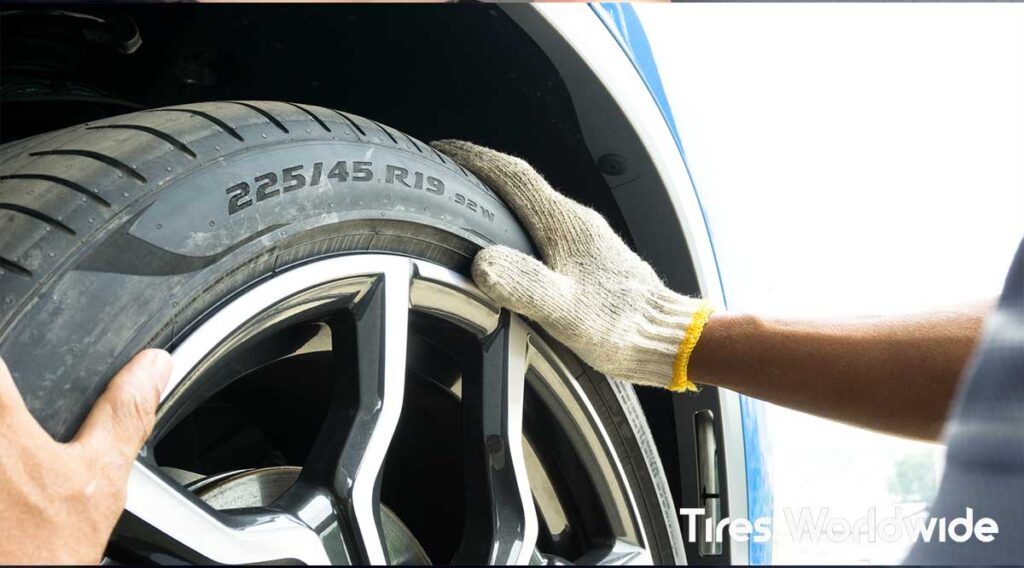
If you’ve ever looked at the side of your tire and felt like you were trying to read secret codes, don’t worry—I’ve been there too. Tires have a lot printed on them, but once you know what to look for, it’s super easy. The load rating is usually right after the tire size. So if you see something like “225/65R17 102H,” the “102” is the load rating. That number connects to a chart that shows the exact weight limit for that tire.
Most tires show the load rating along with the speed rating (which is the letter after the number). So if your tire says “94V,” that means you have a load index of 94. It’s always printed in the same area as the rest of the tire size details. The easiest way to spot it is to just look for the only two- or three-digit number right after the size.
If you’re buying new tires or checking your current ones, always make sure the load index number is equal to or higher than the original. Never go lower. A lower load rating can make the tire too weak for your vehicle, and that can lead to overheating or even a blowout when you’re driving.
Finding the Load Rating in Your Owner’s Manual
If the sidewall numbers feel confusing, your owner’s manual is your best friend. Every car comes with a load rating recommendation from the manufacturer. It’s usually in the “Tires” or “Specifications” section. The manual tells you the exact load index you should use so your car stays safe and performs the way it’s supposed to.
A lot of people upgrade their wheels or buy bigger tires without checking the manual first. But here’s the thing: even if the tires fit, the load rating still matters. Bigger tires don’t always mean stronger tires, and sometimes the opposite is true. That’s why the manufacturer’s numbers are so important—they’re based on your car’s design, weight balance, and safety needs.
You can also find the load rating on the sticker inside the driver’s door frame. This little label lists recommended tire size, load index, and pressure. It’s super helpful and way easier to read than the sidewall.
Just remember this: the load index listed in your manual or door sticker is the minimum. You can choose a higher load rating if needed, but never go below the original recommendation.
Tire Load Index Chart Explained

Common Load Index Numbers You’ll See Most Often
A tire load index chart might look confusing at first, but once you understand how it works, it all clicks. Every number on the chart matches a specific weight limit. For example, a load index of 91 holds about 1,356 pounds, while a 110 handles around 2,337 pounds. The numbers go up as the tire’s strength goes up, and that strength is super important for keeping your vehicle safe. Most everyday cars use load indexes between 85 and 102. SUVs and crossovers usually fall between 100 and 116. Trucks, vans, and heavy-duty vehicles need even higher ratings, sometimes all the way up to 120 or more. If you want to see the full chart with every number and weight, Tire Rack has a reliable one here: https://www.tirerack.com/upgrade-garage/what-is-load-index. This chart helps you match your tire’s index to the exact weight it can support, which makes it easier to choose the right tire for your car, SUV, or truck.
Passenger cars usually don’t need super high load indexes unless they’re carrying a lot of weight or towing. SUVs need more strength because they’re heavier and carry more passengers. Trucks go even higher because of towing, hauling, and bed weight. So don’t compare your sedan’s load rating to someone’s pickup truck—those tires do totally different jobs!
How to Read and Compare Load Index Ratings
Reading load index numbers is surprisingly simple. Higher number equals higher weight capacity. That’s it! If your car comes with a load index of 95 and you buy a tire with a 102, that’s fine. It just means the tire can hold more weight than your car requires. But buying a tire with a lower load index, like an 89, can be unsafe because the tire won’t be strong enough for the vehicle. This can lead to overheating, faster wear, or even tire failure. And no one wants that happening on the highway.
When comparing load indexes, always start with your manufacturer’s recommended rating. You can find it on your driver-side door sticker or in your owner’s manual. Once you know the number, use the chart to learn how many pounds each tire needs to handle. Keep in mind that the load rating is per tire, not for the whole car. So if one tire holds 1,500 pounds, you multiply that by four to know the total weight your tires can support. It’s surprisingly easy to go over that limit if you’re hauling heavy gear or towing.
A mismatch can cause real problems. If you put two high-load tires on the back and two weaker ones on the front, the car might feel unstable. It can even affect braking and steering because each tire handles weight differently. That’s why tire shops always recommend matching all four load ratings.
Load Range vs Load Index: What’s the Difference?

What “Load Range” Really Means
Load range sounds super technical, but it’s honestly easier than most people think. It’s just a letter that tells you how strong the tire’s internal construction is. That’s it. You’ll see letters like B, C, D, E, or F printed on the tire. These letters used to be tied to “ply rating,” which was the number of fabric layers inside a tire back in the old days. But modern tires don’t use layers the same way anymore, so the letters stuck around as a simple way to show tire strength.
Load range basically tells you how much air pressure the tire can safely hold. And more air pressure = more strength. So a Load Range C tire is stronger than a Load Range B. A Load Range E tire is even stronger and usually used on trucks, vans, trailers, and heavy-duty setups. Regular passenger cars normally use Load Range SL (Standard Load) or XL (Extra Load), which are made for everyday driving and don’t need the heavy-duty letters. If you want a clear breakdown with visuals, Discount Tire has a good explanation here: https://www.discounttire.com/learn/load-range-load-index.
So think of load index as the weight limit. And load range as the tire’s muscle.
How Load Range Affects Real-World Performance
Load range matters a lot when you’re dealing with towing, hauling, or anything heavy. A stronger load range can handle more pressure, which means the tire stays firm even with a lot of weight on it. This helps your vehicle stay stable and prevents your tire from squishing down too much under pressure. It also reduces the risk of overheating, which is the number one cause of tire blowouts.
If you drive a truck, SUV, or anything used for towing, you’ll probably need a higher load range like C, D, or E. These tires are built tougher and resist flexing under heavy loads. They can make the ride feel a little stiffer, though, because they have stronger sidewalls. But that stiffness is exactly what keeps everything safe when you’re carrying weight.
For everyday cars, going too high on load range doesn’t usually help. In fact, it can make your car feel rough or bouncy because the tire is stiffer than necessary. So if you’re not towing or hauling, stick with the load range your car came with. Passenger cars usually feel best with SL (Standard Load) or XL (Extra Load), which give you a comfy ride while still supporting normal weight.
How Tire Load Ratings Affect Real-World Driving
How Load Ratings Change Your Everyday Driving Experience
Most people don’t realize how much a tire’s load rating changes the way their car feels on the road. It’s one of those things you don’t think about until something goes wrong. A tire with the right load rating gives you smoother rides, better control, and a safer drive overall. If the rating is too low, the tire can flex more than it should. That makes the car feel soft or “floaty,” especially when you turn or brake hard. You might even feel the car wobble a little when carrying extra people or luggage. That wobble isn’t just annoying—it’s a sign the tire is struggling with the weight.
Your fuel economy can also change. When your tires flex too much, they create more rolling resistance, and your engine has to work harder. More effort means more gas burned. So yes, the wrong load rating can literally cost you money at the pump. Even road noise changes. Stronger tires with higher load ratings can sometimes feel louder because the sidewalls are firmer. But the trade-off is better stability and safer handling.
Why Load Ratings Matter Even More for Hauling and Towing
If you drive a truck, SUV, or anything that tows or hauls weight, load ratings become a huge deal. A tire that’s not strong enough can’t handle the extra pressure from towing. This can lead to sway, uneven handling, and even dangerous blowouts. When your vehicle is pulling a trailer, the back tires carry extra force, especially when braking, turning, or going downhill. That’s why trucks often use Load Range C, D, or E tires—they’re built to stay firm under stress.
A higher load rating helps keep your trailer stable. It also reduces sway, which is that scary side-to-side motion that happens when the trailer starts moving more than the truck. Stronger tires help prevent that by keeping the vehicle planted to the ground. If you’ve ever towed with the wrong tires, you know how rough it can feel. The truck might lean, drag, or feel like it’s working too hard.
For people who use RVs or campers, load ratings are even more important. RVs carry a ton of weight, and most of it sits right on the tires. RV blowouts happen often, and many times it’s because the tires weren’t strong enough for the load. Choosing a proper load index and load range helps avoid expensive, unsafe problems on the road.
Common Mistakes Drivers Make With Load Ratings
Underestimating How Much Weight You’re Really Carrying
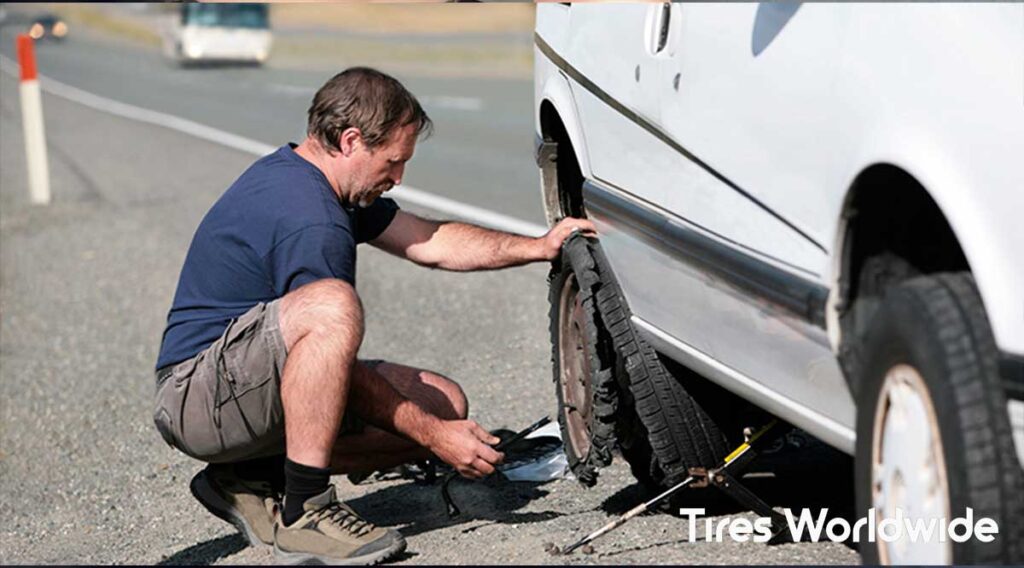
A lot of drivers think their car isn’t carrying much weight… until they actually add it up. It’s wild how fast everything adds pounds. You, your friends, groceries, backpacks, tools, sports gear, water bottles, and even that random stuff rolling around in the trunk—it all piles onto the tires. And if you’re heading on a road trip, forget about it. Suitcases, coolers, snacks, camping gear… that’s easily hundreds of extra pounds without even trying.
Most people also don’t consider “hidden weight.” Full gas tank? That alone can add 80 to 150 pounds depending on the vehicle. Roof racks and bike racks? More weight. Pets in the back seat? Yep, that counts too. All this weight pushes down on your tires, and if your tires don’t have the right load rating, they can overheat or flex too much. That’s how blowouts happen, especially on long drives or hot days.
If you want to know how much weight your car is designed to handle, you can check the official GVWR (Gross Vehicle Weight Rating) on the driver-side door sticker. The NHTSA also explains it here: https://www.nhtsa.gov/equipment/tires.
Installing Tires With Mismatched Load Ratings
Another super common mistake is mixing tires with different load ratings. It seems harmless, but it creates a bunch of problems. If two tires can hold more weight and two hold less, the car won’t balance correctly. You might feel shaking, uneven steering, or weird braking. Your traction can also drop because each tire handles weight differently. It’s like wearing one hiking boot and one flip-flop—it technically works, but you’re not going to be stable.
Some drivers also buy bigger tires thinking bigger automatically means stronger. But that’s not true at all. Some big tires actually have lower load indexes because they’re made for style, not strength. This can leave you with tires that look great but aren’t safe for your car’s weight. Never assume a tire is stronger because it’s thicker, wider, or taller. Always check the load index number.
And the worst mistake? Going LOWER than your vehicle’s required load rating. Even dropping by one number can make the tire unsafe. Overloading a tire causes heat buildup, which is the number one cause of tire failure. If you want proof, the Rubber Manufacturers Association has published multiple studies showing this pattern: https://www.us-tra.org/.
If you’re ever unsure whether two tires match, always compare the load index numbers printed on each sidewall. They should be the same on all four tires for the best safety and performance.
Tire Load Rating FAQs
Can I Use a Tire With a Higher Load Rating?
Yes, you can! Going higher on the load rating is usually safe. In fact, many drivers choose stronger tires for extra stability, especially on SUVs and trucks. A higher load rating means the tire can carry more weight than your vehicle actually needs. This can help if you tow, haul heavy things, or take long trips with a full car. Just keep one thing in mind—a higher load rating sometimes makes the ride feel a little stiffer because the tire walls are stronger. So if you want maximum comfort, don’t go too high above your car’s recommended rating.
Is a Higher Load Range Always Better?
Not always! Bigger is not always better when it comes to load range. Higher load ranges like D or E are great for trucks and towing because they handle more pressure. But on a normal car or crossover, they can actually make the ride rough. That’s because the tires become very stiff, and that stiffness transfers right into the cabin. So unless you’re towing or carrying heavy gear, you don’t need a high load range. For most daily drivers, SL (Standard Load) or XL (Extra Load) is more than enough.
Does Load Rating Affect Speed Rating?
Yes, load rating and speed rating work together. Both numbers matter. A tire may be strong enough to carry heavy weight, but that doesn’t mean it can handle high speeds. That’s what the letter after the load rating is for. For example, in “102H,” the “H” is the speed rating. If you increase your load rating, your speed rating should stay the same or better. Never downgrade your speed rating unless your vehicle manufacturer says it’s okay. You can check your vehicle’s original speed rating on the door sticker or in the manual.
How Long Do High-Load Tires Last?
High-load tires can last just as long as regular tires, but it depends on how you drive. If you haul heavy weight often or tow long distances, your tires will wear out faster because they’re under more stress. If you use high-load tires on a car that doesn’t need them, they might last a long time, but they can feel stiffer and louder on the road. Regular tire maintenance makes a huge difference too. Keeping your tires properly inflated helps them last longer and stay safer. Under-inflated tires wear out faster and create more heat. Over-inflated tires wear down the middle.
Conclusion
Choosing the right tire load rating isn’t just a technical detail — it’s one of the most important steps in keeping your vehicle safe, stable, and ready for whatever you throw at it. Once you understand the load index chart, load ranges, and how weight affects performance, you’ll be able to shop for tires with total confidence.
So whether you’re hauling gear, towing a trailer, or just commuting to work, use this tire load rating guide as your go-to resource. Stay safe, choose the right tires, and enjoy a smoother, smarter drive!