How to Check Tire Pressure the Right Way
Did you know that nearly 1 in 4 drivers are rolling on underinflated tires? That’s wild, right? Not only does it hurt your fuel economy, but it can also make your car harder to control — and no one wants that.
In this easy guide, I’ll walk you through how to check tire pressure step by step. Whether you’re using a digital gauge, an analog one, or just your car’s built-in TPMS system, I’ve got you covered. Let’s make sure your ride is safe, smooth, and road-trip ready!
Why Tire Pressure Matters
Let’s be real — most of us don’t think about tire pressure until that little light pops up on the dashboard. But here’s the thing… tire pressure isn’t just about air in your tires. It’s about safety, saving money, and keeping your car running smoothly.
When your tires aren’t inflated the right way, a lot can go wrong. You could lose control in bad weather, wear your tires out faster, or even waste gas. And nobody likes paying more at the pump, right?
Let’s break it down and see why tire pressure matters way more than you might think.
The Link Between Tire Pressure and Safety
Okay, picture this — you’re driving in the rain, and suddenly your tires lose grip on the road. Scary, right? That can happen if your tires are underinflated.
When your tire pressure is too low, there’s more rubber touching the road. That sounds like a good thing, but it actually makes your tires less responsive. You’ll have a harder time turning or stopping quickly. In an emergency, even a few extra feet can make all the difference.
On the other hand, overinflated tires can be just as dangerous. They’re too stiff, which means they don’t grip the road as well. You’ll feel every bump, and you’ll risk a blowout on hot days or during long drives.
In short — proper tire pressure = better control, better handling, and fewer surprises on the road.
If you want to double-check safety info, the National Highway Traffic Safety Administration (NHTSA) has tons of resources on tire care and safety.
The Impact on Fuel Efficiency
Here’s a fun fact: tires that are underinflated by just 5 PSI can lower your gas mileage by up to 10%. That’s money straight out of your wallet!
When tires don’t have enough air, your car has to work harder to move. That means burning more fuel, which also means more carbon emissions. Not great for your budget — or the planet.
Keeping your tires properly inflated can save you a few bucks every time you fill up. It’s one of those small habits that really pays off over time.
You can check out FuelEconomy.gov for more tips on how tire maintenance affects gas mileage.
Extending Tire Lifespan
Ever wonder why some people’s tires seem to last forever while others wear out in no time? The secret is simple — consistent tire pressure.
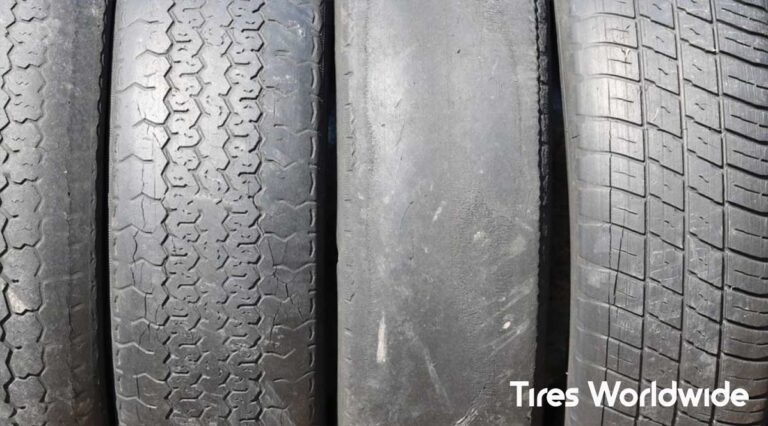
When your tires are at the right PSI, the tread wears evenly. That means no bald spots or weird patterns that force you to replace them early. But if one tire is too low and another is too high, they wear unevenly. Over time, that adds up to hundreds of dollars in replacement costs.
And here’s another bonus: maintaining your pressure helps protect your car’s suspension and alignment, too. It’s not just about the tires — it’s about your entire driving experience.
So, if you’re serious about getting the most out of your tires (and your money), check your pressure once a month. It only takes a minute, and it can save you from big headaches later.
Tools You’ll Need to Check Tire Pressure
Alright, before you dive in and start checking those tires, let’s make sure you’ve got the right tools for the job. Don’t worry — you don’t need a garage full of fancy gear. Just a few simple items, and you’re good to go.
Types of Tire Pressure Gauges
First things first — you’ll need a tire pressure gauge. This little tool tells you exactly how much air is in your tires.
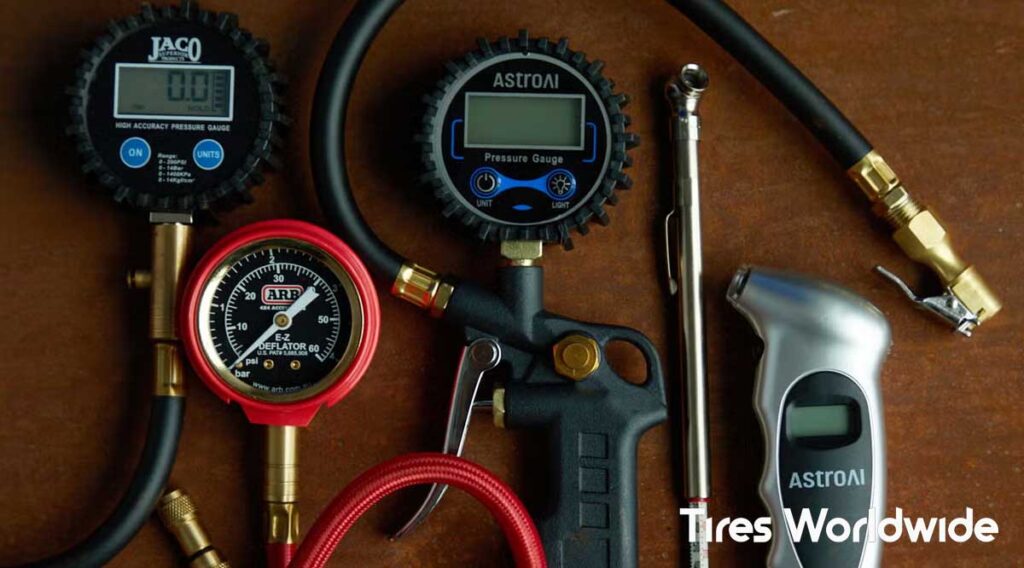
You’ve got a few types to choose from:
- Digital Gauge: Super easy to use and shows a clear number on the screen. It’s my personal favorite because it’s accurate and fast.
- Analog Gauge: The classic one with the dial. Reliable but can be harder to read, especially if you’re in a rush.
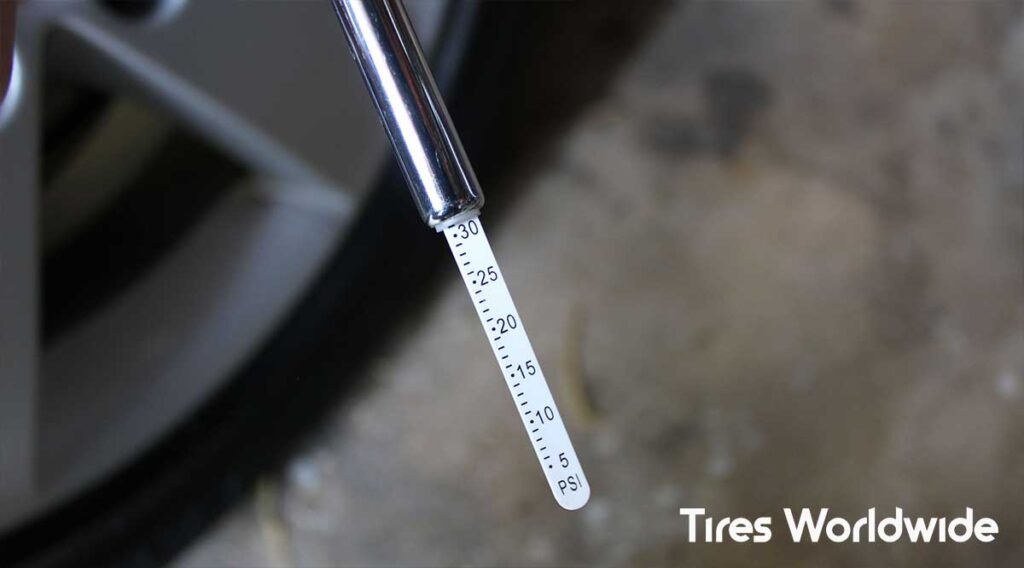
- Pencil Gauge: Small, cheap, and old-school. It pops out a little bar that shows your PSI reading. Not fancy, but it works!
If you’re serious about keeping your car in top shape, grab a good digital tire gauge. They’re affordable, and you can find them at any auto store or even on Amazon for under $20.
Finding Your Car’s Recommended PSI
Here’s the thing — not all tires need the same air pressure. So before you start pumping air, you need to know what’s right for your car.
You’ll find the recommended PSI (pounds per square inch) in a few places:
- On a sticker inside the driver’s side door jamb
- Inside the fuel door
- Or in your owner’s manual
Most cars sit somewhere between 32 and 36 PSI, but always double-check. Don’t just go by what’s printed on the tire itself — that number is the maximum pressure, not the recommended one. Big difference!
Optional Tools
If you want to take things to the next level, here are a few extras that make life easier:
- Air Compressor: Perfect for inflating tires at home. You can plug it into your car’s outlet or wall power.
- Portable Tire Inflator: Handy for road trips or emergencies. Small enough to keep in your trunk.
- Tire Valve Caps: Believe it or not, those little caps help keep dirt and moisture out of the valve stem. Keep them on tight!
So yeah, that’s pretty much it! A tire gauge, a little know-how, and maybe a small air pump — that’s all it takes to keep your tires in check. It’s simple, quick, and totally worth it.
Step-by-Step Guide: How to Check Tire Pressure
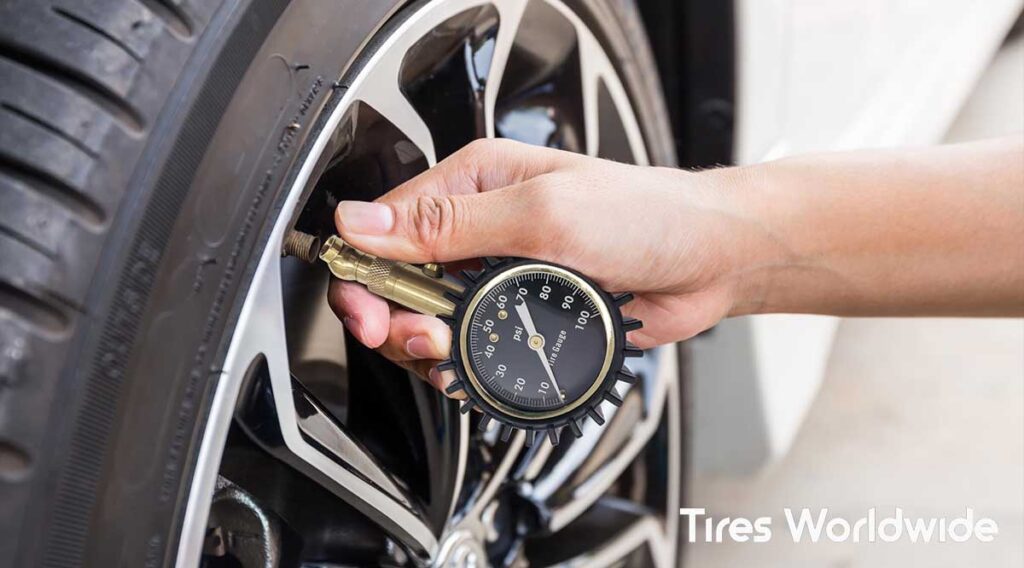
Alright, let’s get hands-on! Checking your tire pressure is one of those things that sounds complicated but is actually super easy once you’ve done it once or twice. You don’t need to be a mechanic — just follow these steps, and you’ll be good to go.
Step 1 – Park and Let Your Tires Cool
Here’s something most people don’t realize — you should always check your tire pressure when your tires are cold.
That means before you’ve driven, or at least three hours after your last trip. Why? Because as you drive, your tires heat up, and hot air expands. This gives you a higher reading that isn’t accurate.
So park your car on level ground, grab your tire gauge, and get ready to check those numbers the right way.
Step 2 – Remove the Valve Cap
Next, find the small valve stem sticking out of your tire. Unscrew the little cap and keep it somewhere safe (trust me, those things love to disappear). You can even hold it between your fingers while you check the pressure.
The valve stem is where you’ll attach your tire gauge — and don’t worry, it’s totally normal to hear a tiny hiss of air when you do.
Step 3 – Attach the Gauge
Now, press your gauge firmly onto the valve stem. You might need to adjust it a bit to get a tight seal — you’ll know it’s right when the hissing stops.
Hold it there for a second or two, and boom — you’ll get your reading.
If you’re using a digital gauge, it’ll show the number instantly. If it’s analog, just look at where the needle lands. For pencil gauges, read the number on the little bar that pops out.
Make sure you check each tire, not just one! Sometimes one tire can be lower than the rest.
Step 4 – Compare With the Recommended PSI
Now that you have your readings, compare them to your car’s recommended PSI (you can find it on that sticker inside your driver’s door or in the owner’s manual).
If your number is lower than what’s recommended, that means your tire is underinflated and needs air.
If it’s higher, you’ll need to release a little air to get it back to normal.
You want all four tires as close as possible to the same PSI for the smoothest and safest ride.
Step 5 – Add or Release Air
If your tires need air, you can do it at a gas station or with a home air compressor. Most gas stations have air pumps that are easy to use — just follow the instructions on the screen or panel.
To add air, push the hose onto the valve stem until you hear air flowing in. Add air for a few seconds at a time, then recheck your pressure. Don’t rush — it’s better to add a little at a time than to overinflate.
To release air, gently press the small metal pin inside the valve stem. You can use your gauge or even a car key. Let a little air out, then recheck until it’s perfect.
Once you’re done, screw the valve caps back on tight. And just like that — you’re done!
That’s it! You’ve officially learned how to check tire pressure like a pro. It only takes five minutes, but it can save you from flat tires, wasted gas, and expensive replacements later on.
How Often Should You Check Tire Pressure?
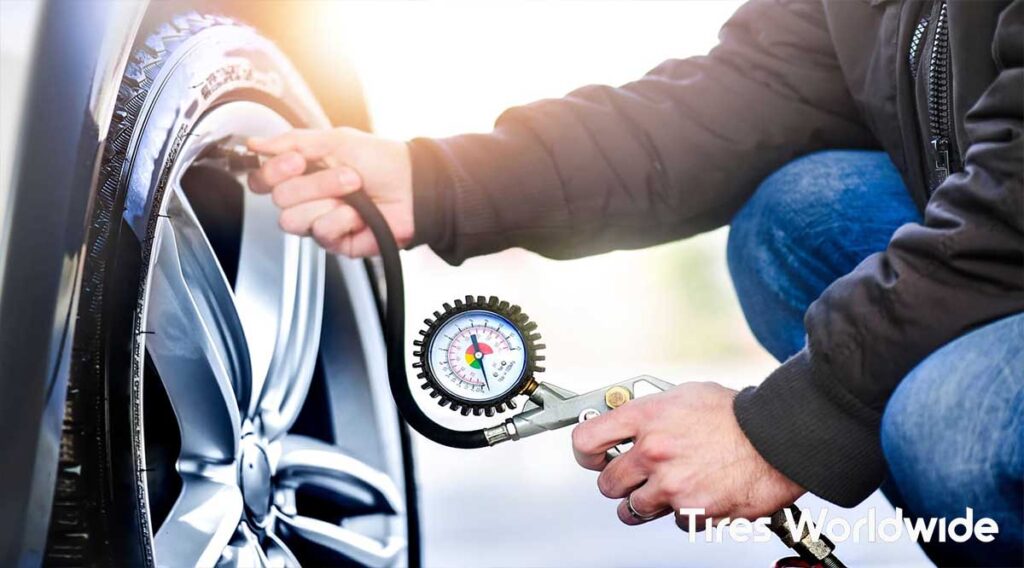
Alright, so you know how to check your tire pressure — but how often should you actually do it? The truth is, most people wait until something feels off or the dashboard light comes on. By then, it’s usually too late. The key is to stay ahead of the problem before it ever shows up.
Ideal Frequency
Here’s the golden rule: check your tire pressure once a month.
Why monthly? Because air naturally seeps out of tires over time — even brand-new ones. You can lose about 1 to 2 PSI per month, just from normal driving and temperature changes.
I like to make it part of my routine. Every time I wash my car or fill up with gas, I grab my tire gauge and do a quick check. It takes less than two minutes, and honestly, it’s satisfying knowing everything’s on point.
And if you’re hitting the road for a long trip or a weekend getaway? Always check before you leave. A small air adjustment can make a big difference in how your car handles on the highway.
Seasonal Changes
This one catches a lot of people by surprise — cold weather can mess with your tire pressure.
When the temperature drops, the air inside your tires contracts. You’ll lose about 1 PSI for every 10°F drop in temperature. So that first chilly morning in fall? Yeah, your tires probably need a top-up.
Summer heat does the opposite — it expands the air, which can lead to overinflation. That’s why it’s smart to check your tires at the start of every season. Adjusting a few PSI can help your tires last longer and keep your car feeling smooth.
If you live somewhere that gets extreme seasons, check more often during big weather swings.
Warning Signs
Now let’s talk about those little hints your car gives you when something’s not right.
- The TPMS light turns on: That’s your car’s way of saying, “Hey, I’m running low!” Don’t ignore it — check your pressure ASAP.
- Your steering feels heavier or floaty: Underinflated tires can make your car harder to control.
- Uneven tread wear: If one side of your tire looks more worn, your air pressure might be uneven.
- Decreased gas mileage: If you’re filling up more often than usual, low tire pressure could be the culprit.
If any of these sound familiar, grab your gauge and take a minute to check. It’s way easier than dealing with a flat later.
Quick Tip
A good rule of thumb? Set a reminder on your phone for the first weekend of each month — “Check tire pressure.” Easy, simple, done. You’ll never forget it again.
Keeping your tires properly inflated isn’t just about convenience — it’s about safety, savings, and peace of mind. The more consistent you are, the fewer problems you’ll have.
Using a Tire Pressure Monitoring System (TPMS)
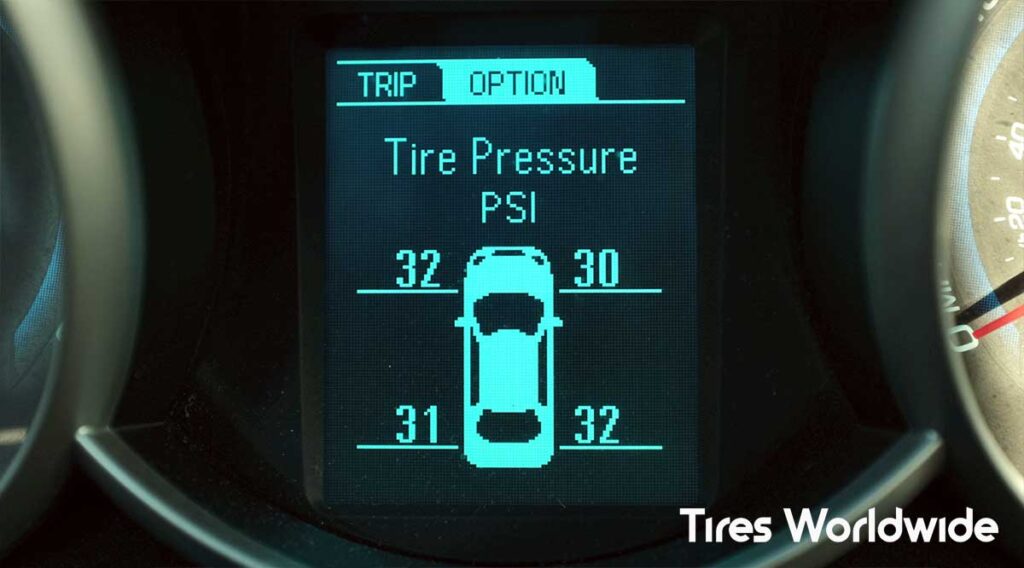
Alright, let’s talk about that little dashboard light most people ignore — the TPMS, or Tire Pressure Monitoring System. If you’ve ever seen that horseshoe-shaped light with an exclamation mark in the middle, that’s your car trying to get your attention. And trust me, it’s not something you should brush off!
How TPMS Works
So, what exactly does TPMS do? It’s a system in your car that keeps an eye on your tire pressure 24/7.
There are two main types:
- Direct TPMS: This one uses sensors inside each tire to measure air pressure in real time. It’s super accurate and tells you exactly which tire is low.
- Indirect TPMS: Instead of sensors, this type monitors your wheel speed through the ABS system. When a tire loses air, it spins differently, and your car picks up on that.
Both systems will alert you when a tire is underinflated, but direct TPMS gives more precise info — like which tire is the problem and how low it actually is.
What to Do When the TPMS Light Comes On
If that TPMS light pops up, don’t panic — but don’t ignore it either.
First, find a safe spot to stop and check your tires. One of them is probably running low. You can use your tire gauge to confirm which one, then add air as needed.
Sometimes, the light will flicker on during cold mornings and go off once you start driving. That usually means your tires are just barely under the limit due to temperature changes. Still, it’s a good idea to top them off so the light doesn’t keep coming back.
If the light starts blinking, that’s a sign there might be an issue with the TPMS sensors themselves — like a dead battery in the sensor or a system error. In that case, it’s worth getting it checked at your local auto shop or dealership.
Resetting Your TPMS
After adding air, your TPMS light might not turn off right away — and that can be frustrating. But don’t worry, it just needs a quick reset.
Here’s a simple way to do it:
- Turn your car’s ignition to the “ON” position (without starting the engine).
- Find the TPMS reset button — it’s usually under the steering wheel.
- Hold the button down until the TPMS light blinks three times, then release it.
- Start your car and drive for about 10–15 minutes at 30+ mph. The system should recalibrate automatically.
If your car doesn’t have a reset button, check your owner’s manual — some cars do it through the infotainment screen or settings menu.
Common Tire Pressure Mistakes to Avoid
Even if you’ve got the basics down, there are a few simple mistakes that can mess up your tire pressure — and most drivers make them without even realizing it. The good news? Once you know what to avoid, keeping your tires healthy becomes second nature. Let’s go over the biggest ones.
Ignoring Tire Temperature
This one’s a classic. Checking your tires after you’ve been driving for a while will almost always give you the wrong reading. Why? Because heat makes air expand.
When you drive, friction warms up the tires, and the PSI reading goes up temporarily. So if you measure it right after driving, you might think your pressure’s perfect when it’s actually too low once the tires cool down.
The fix? Always check your tire pressure when the tires are cold. Ideally, first thing in the morning before hitting the road. That gives you the most accurate reading.
Relying Only on TPMS
Don’t get me wrong — TPMS is awesome. But it’s not foolproof. The system usually alerts you only when your pressure drops about 25% below the recommended level. By that point, you’ve already been driving on underinflated tires for a while.
That’s why you should still check manually every month, even if your TPMS light isn’t on. Think of TPMS as a backup, not your main tool. It’s like using spellcheck — helpful, but you still want to proofread, right?
If you want to dive deeper into how accurate TPMS systems really are, Edmunds has a great breakdown.
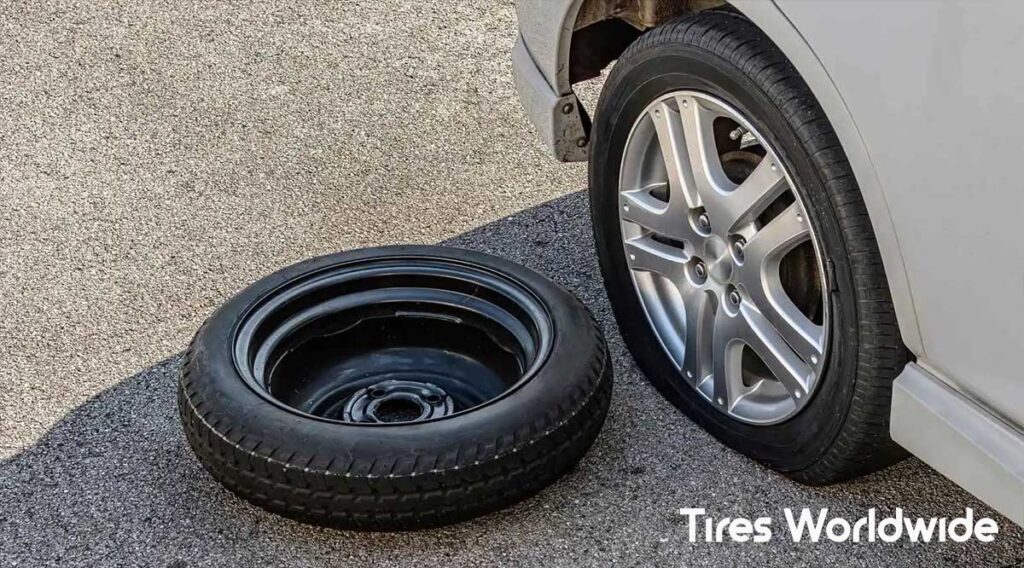
Forgetting the Spare Tire
Here’s one that almost everyone overlooks — the spare tire.
Imagine getting a flat, popping the trunk, and realizing your spare is just as flat. It happens all the time because most people never think to check it.
Your spare can slowly lose air just like the rest. So make it part of your monthly routine. Give it a quick check when you do the others. If it’s a compact spare (also called a “donut tire”), it usually needs 60 PSI, which is much higher than regular tires.
That little habit could save you a ton of stress if you ever find yourself on the side of the road.
Overfilling “Just to Be Safe”
A lot of people think a little extra air is no big deal — or even safer. But that’s not true. Overinflated tires can make your ride rough, reduce traction, and wear out the center tread faster.
Stick to the recommended PSI listed on your car’s sticker or in the manual. If you’re unsure, it’s better to be one or two PSI under than over.
Skipping Regular Checks
It’s easy to forget tire maintenance when life gets busy. But letting months go by between checks can really hurt your tires. Slow leaks, weather changes, and even minor wear can throw your pressure off before you realize it.
Set a reminder in your phone or mark your calendar. Once a month is all it takes to stay on top of it.
Quick Tip
If you’re ever unsure whether your readings are accurate, stop by a tire shop or gas station with a calibrated air gauge. They’ll usually check for free, and you’ll know your numbers are spot on.
Pro Tips for Maintaining Perfect Tire Pressure
Once you’ve got the basics down, it’s time to fine-tune your tire routine like the pros. These small tips can make a big difference in how your car drives, how long your tires last, and how much money you save on gas.
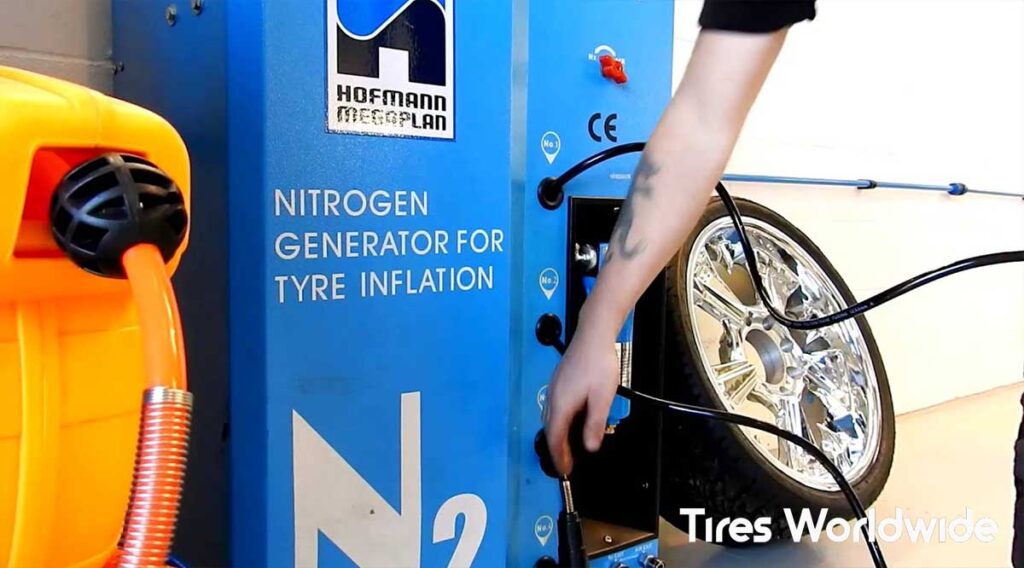
Use Nitrogen Inflation
If you’ve ever been offered nitrogen instead of regular air at a tire shop, you might’ve wondered if it’s worth it. The short answer — sometimes, yes!
Nitrogen doesn’t expand and contract as much with temperature changes, which helps keep your pressure more stable year-round. It also leaks out slower than regular air, meaning you won’t have to top off your tires as often.
It’s not essential, though — regular air is totally fine for most drivers. But if you live somewhere with extreme temperatures or just want that extra bit of consistency, nitrogen is a nice upgrade. You can check out Bridgestone’s guide on nitrogen tires for a deeper dive.
Check Pressure at the Same Time Each Month
Consistency is key here. Try to pick a specific day each month to check your tires — maybe the first Saturday or every payday. Making it part of your routine means you won’t forget, and you’ll catch problems early before they become expensive.
Morning checks are best since your tires are cold, giving you the most accurate reading. Once you make it a habit, it becomes second nature.
Combine With Tire Rotation and Alignment
Here’s a pro move most people skip — combine your pressure checks with regular tire rotations and alignments. When you rotate your tires every 5,000–7,000 miles, you help them wear evenly.
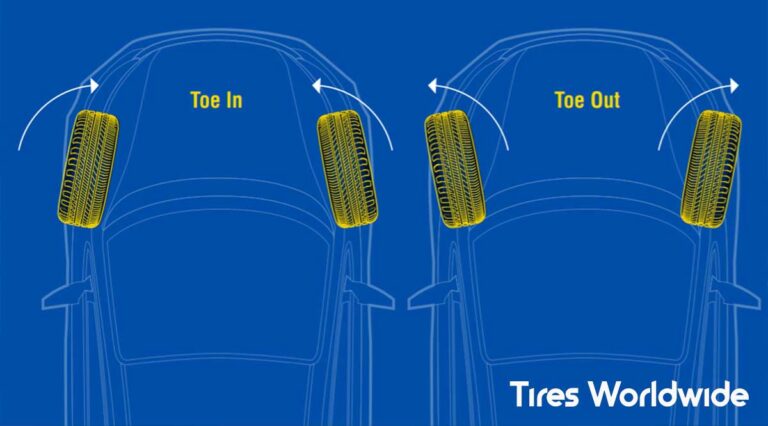
An alignment check makes sure your tires are pointed in the right direction, preventing uneven wear that can throw off your pressure over time.
If you stay on top of all three — checking, rotating, and aligning — your tires will last longer, your ride will feel smoother, and your car will handle better overall.
Quick Tip
Keep a small tire gauge and a portable inflator in your trunk. That way, no matter where you are, you can check and adjust on the go.
Conclusion
Keeping your tires properly inflated isn’t just about avoiding a flat — it’s about saving money, staying safe, and driving smarter. Now that you know how to check tire pressure, make it a habit every month or before any big trip. It only takes a few minutes, but it can save you hundreds in repairs and fuel costs.
Ready to take control of your car’s health? Grab a tire gauge, check those PSI levels, and hit the road with confidence!